Image
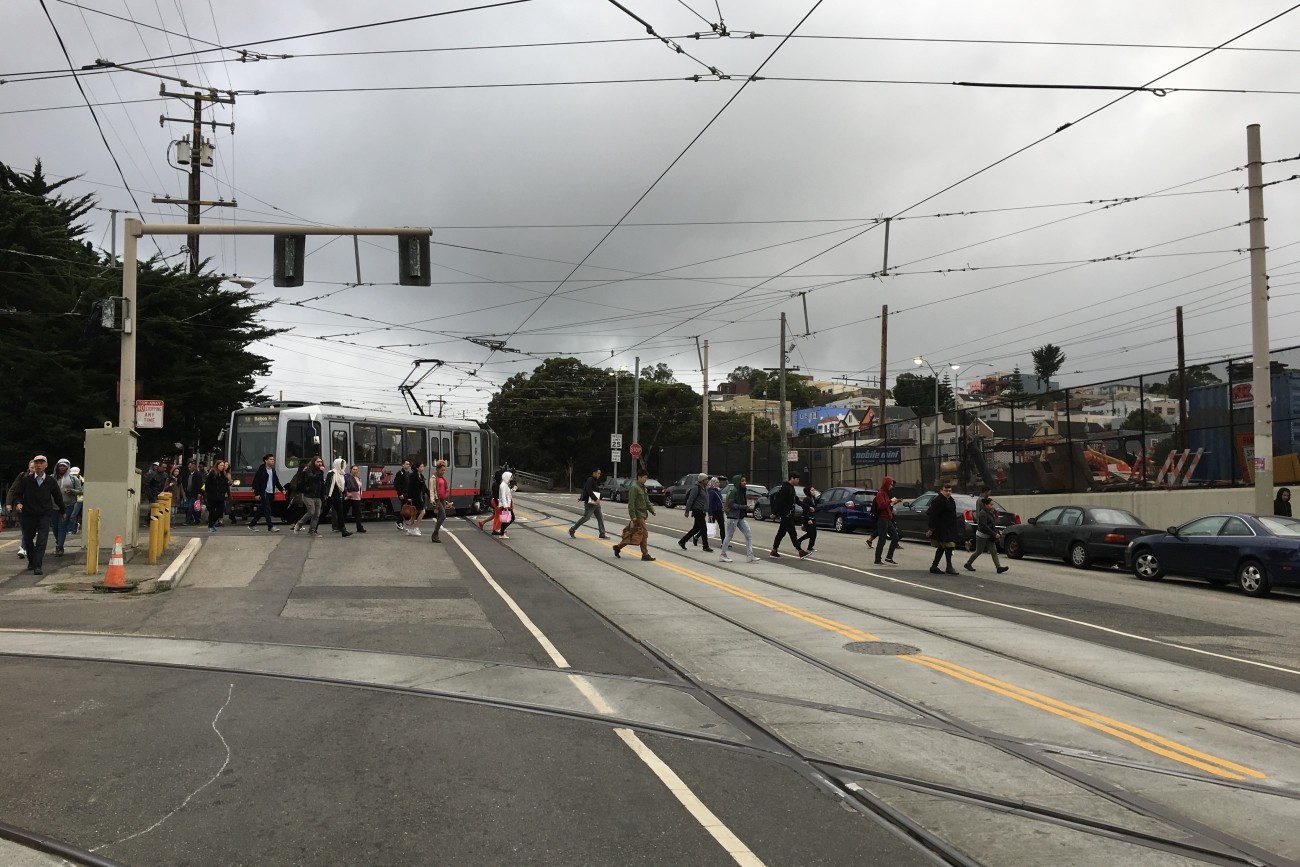
Through this study, the SFMTA developed conceptual design improvements to address safety issues near the Geneva-San Jose Intersection.
Image
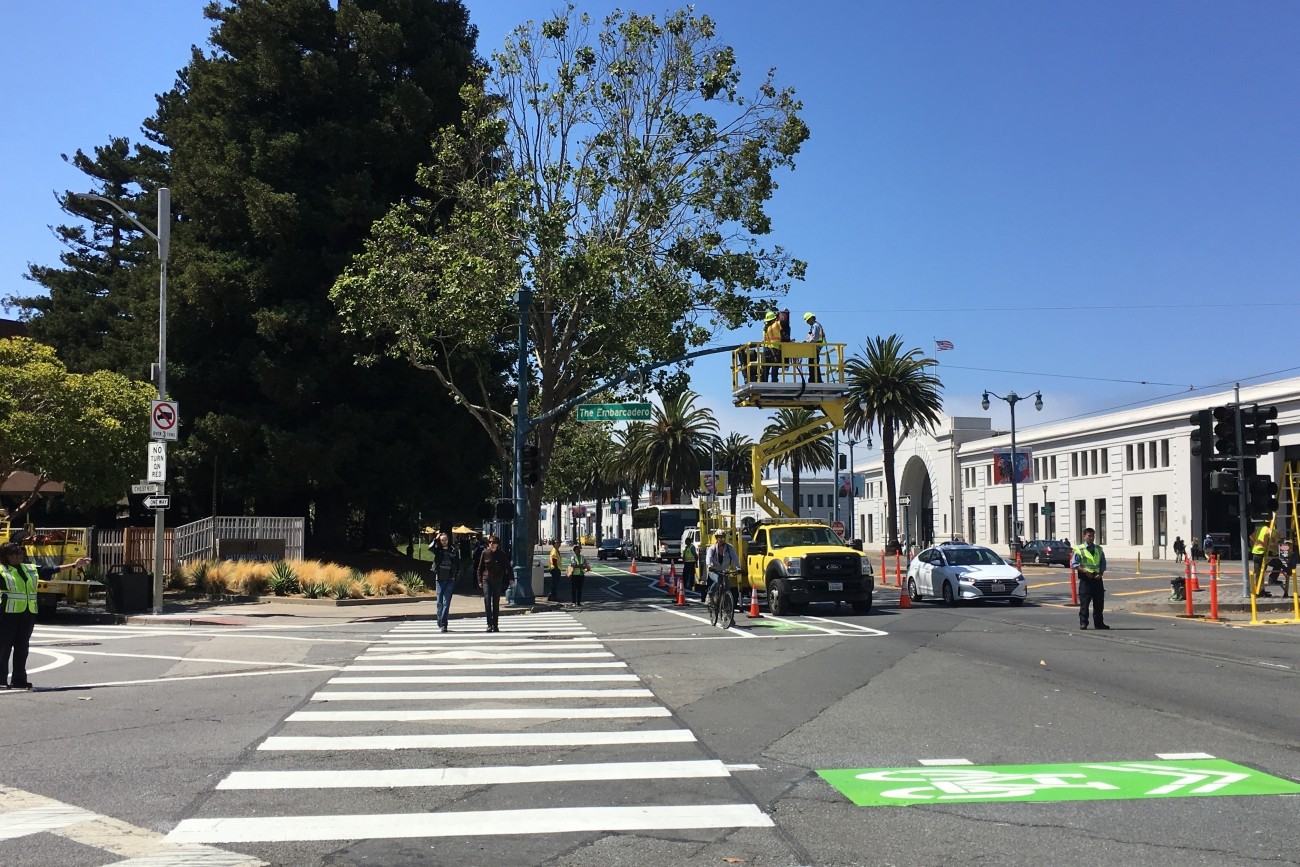
The SFMTA’s Sansome and Battery Connections Project will improve walking and bicycling between the Embarcadero and the Financial District by providing an alternative route parallel to the Embarcadero corridor.
Image
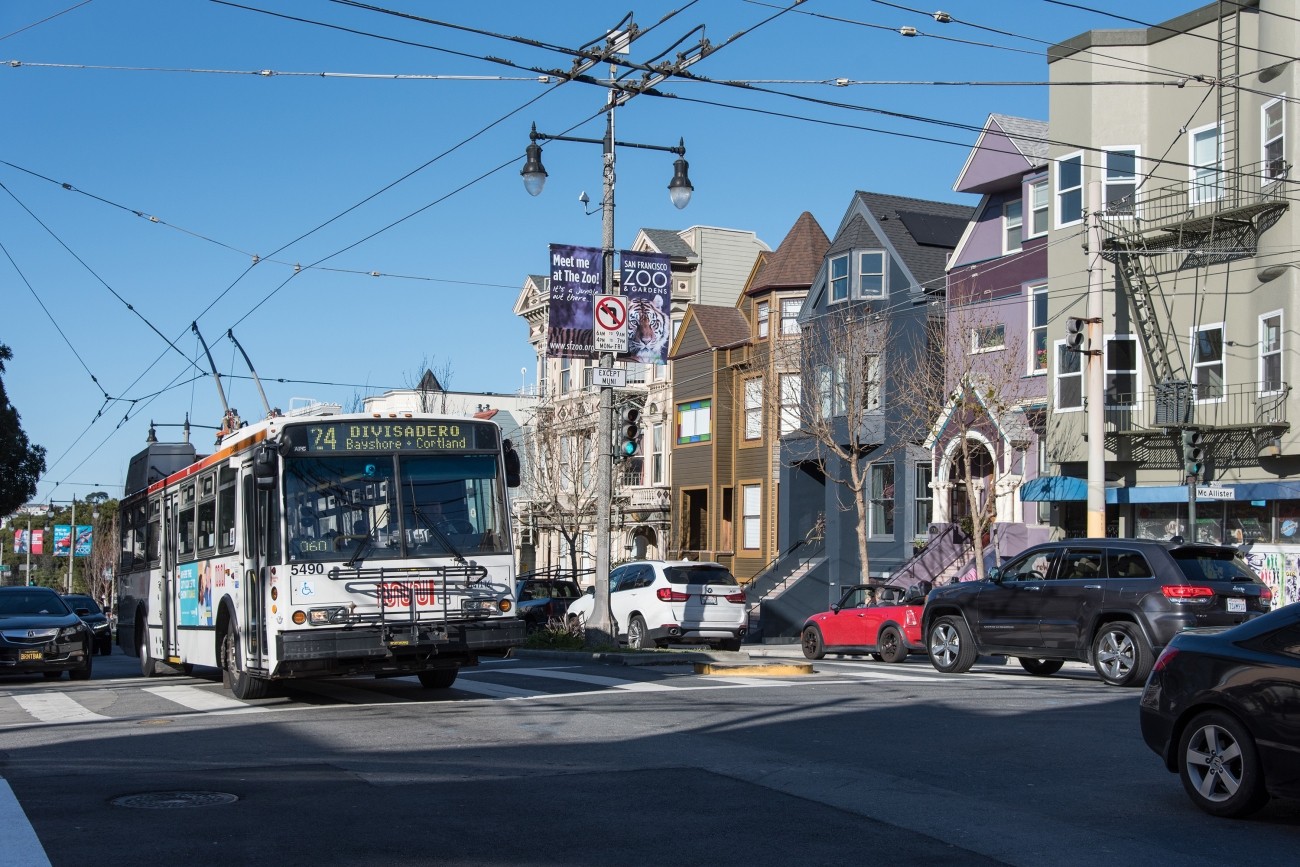
The SFMTA’s Divisadero Intersection Improvements project will improve ten intersections on a segment of Divisadero between Turk and Haight streets.
Image
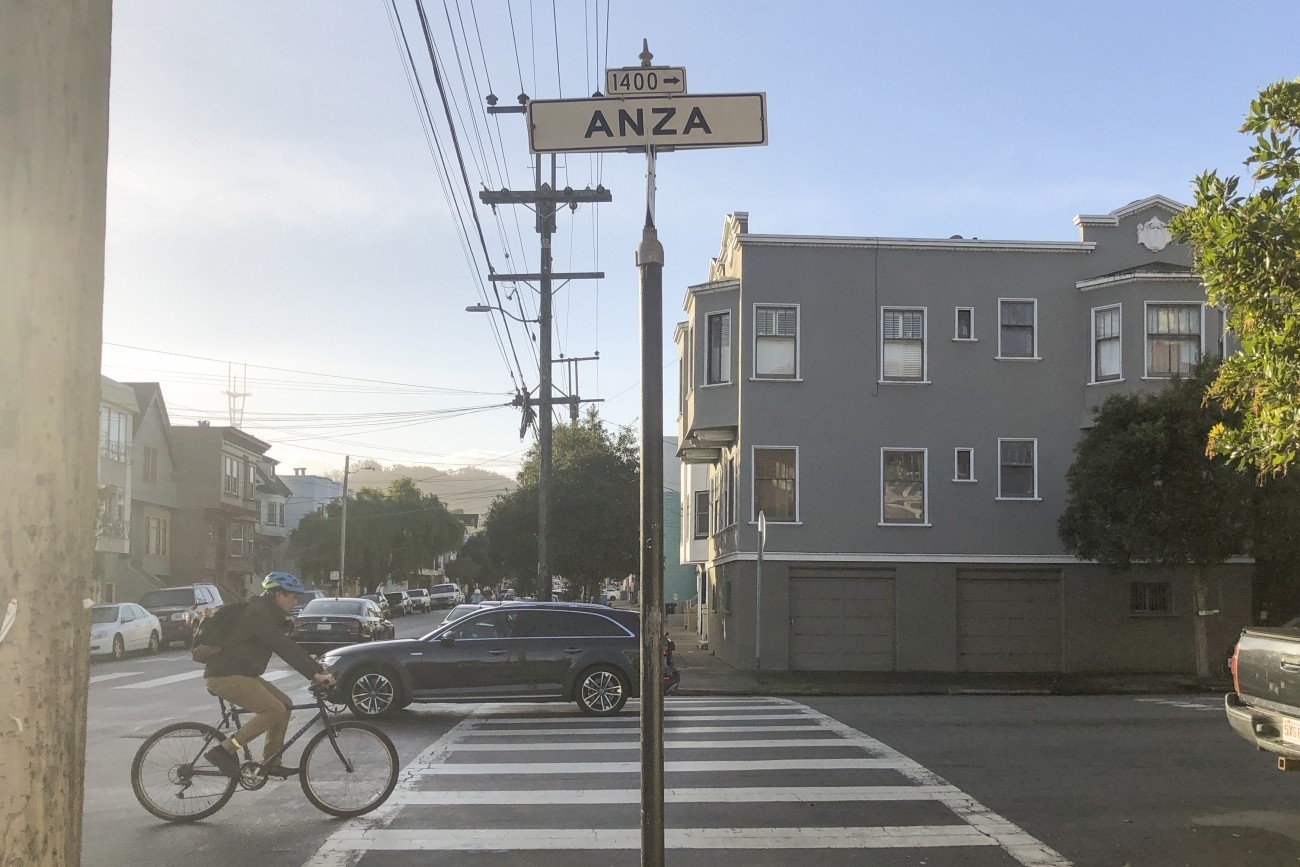
The aim of the Anza Street Bike Lanes project is to improve safety and accessibility for bicyclists on Anza Street.
Image
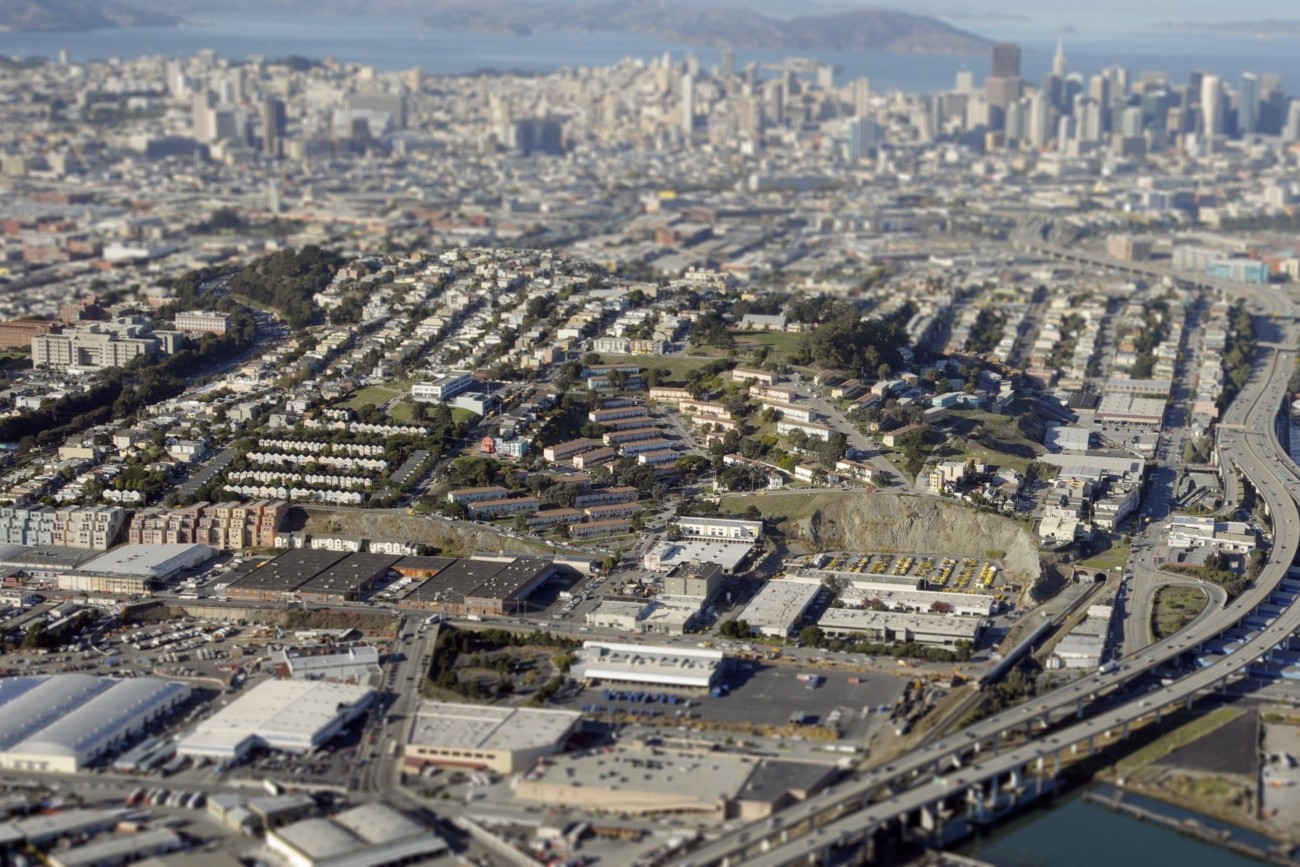
This community-based transportation plan for the southern Potrero Hill neighborhood of San Francisco identified transportation priorities at the neighborhood scale.
Image
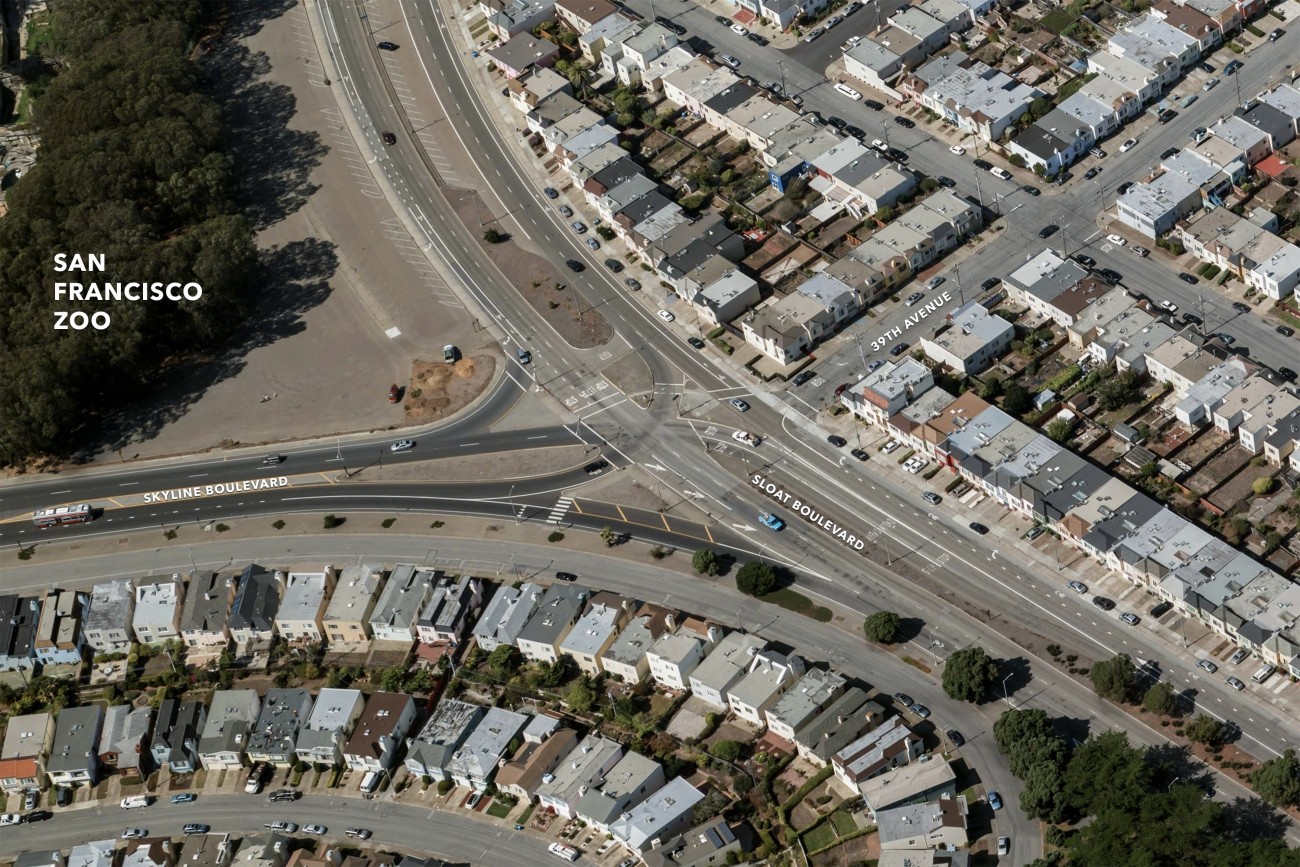
The SFMTA’s Sloat Skyline Intersection Alternatives Analysis looks to improve overall safety where Sloat Boulevard/HWY 35 intersects with Skyline Boulevard & 39th Avenue
Image
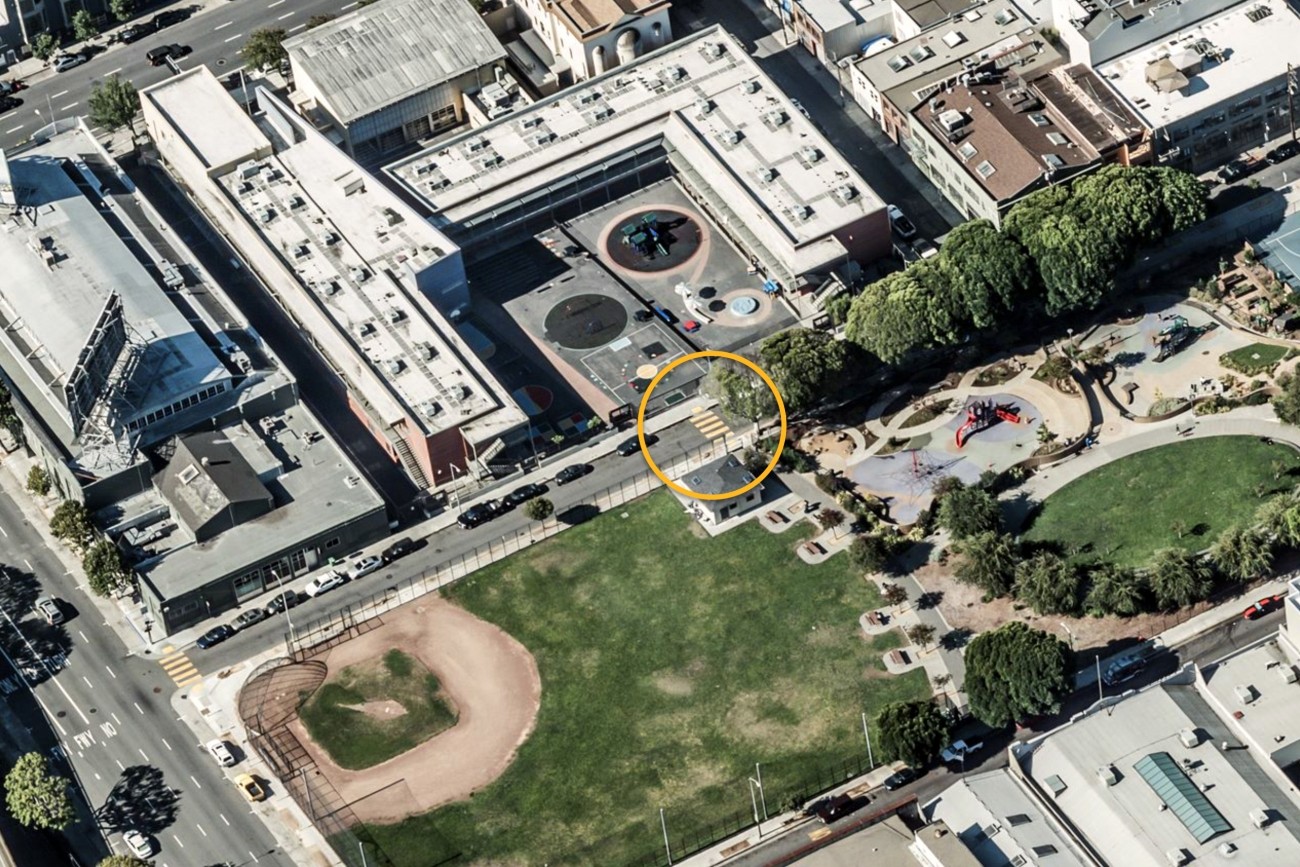
The Bessie Carmichael Crosswalk project supported the City’s Vision Zero goal by making it safer for students to walk and bike to school.
Image
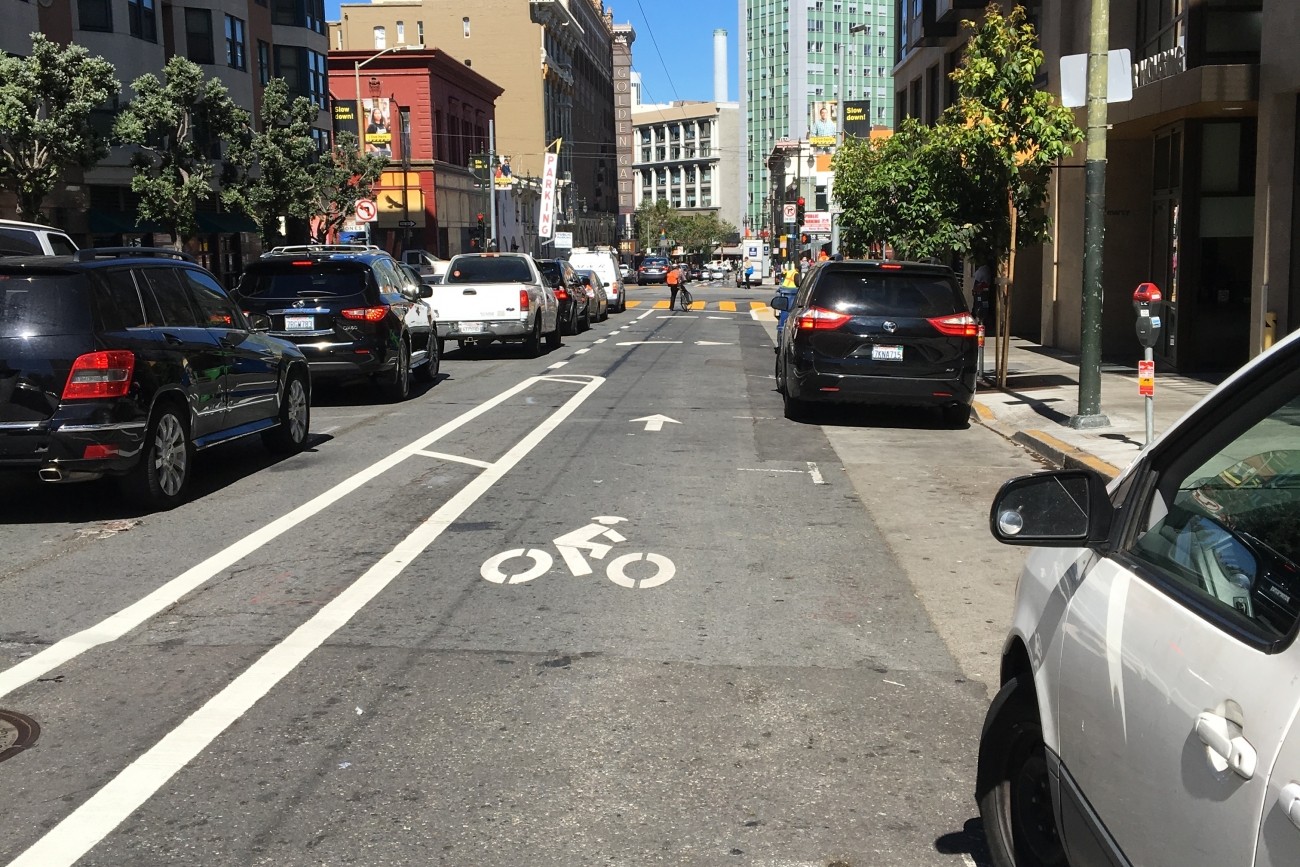
As part of the SFMTA’s Golden Gate Avenue Safety Project, the agency reduced the number of traffic lanes and constructed an eastbound buffered bike lane on Golden Gate Avenue between Polk Street and Market Street.
Image
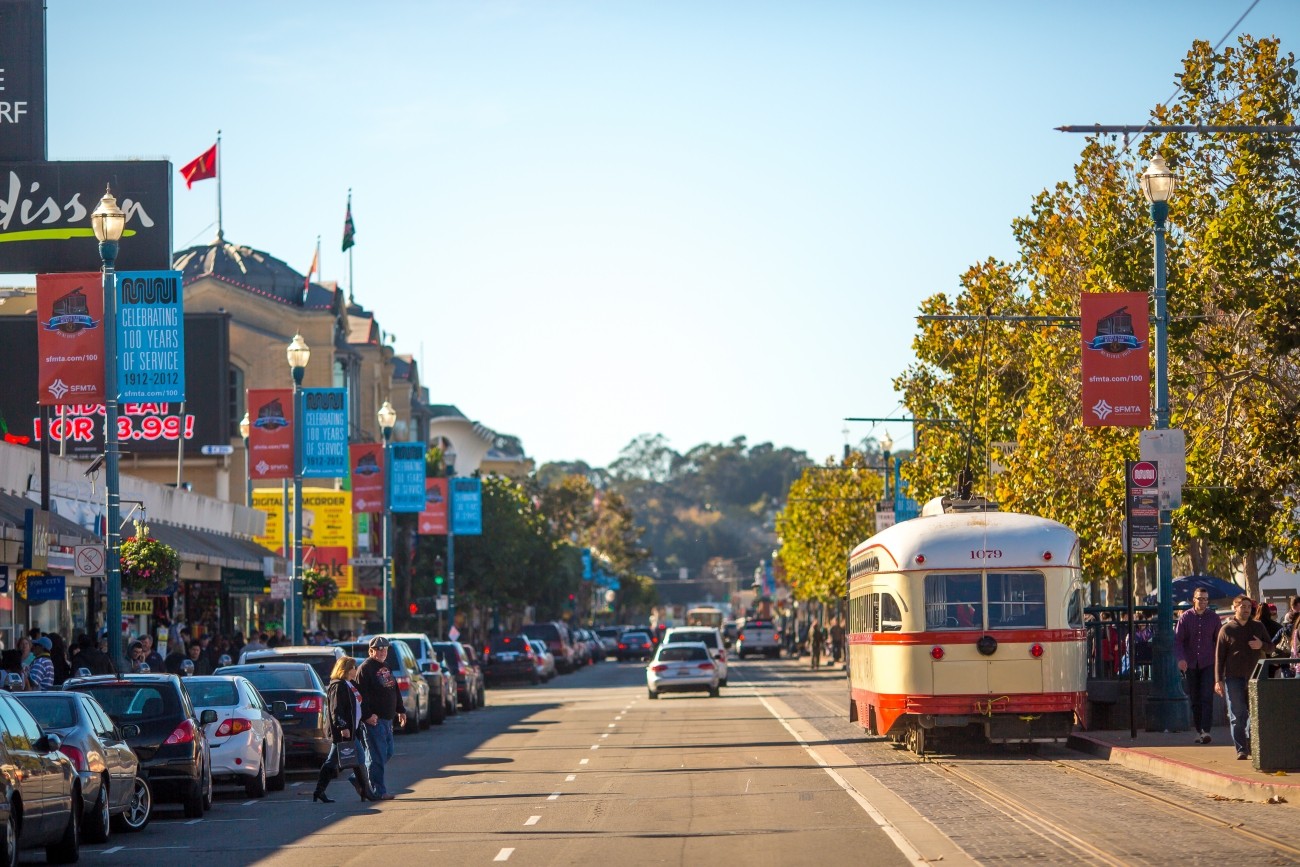
The Jefferson Streetscape Improvement Project aims to improve street safety on the main street of Fisherman’s Wharf.
Image
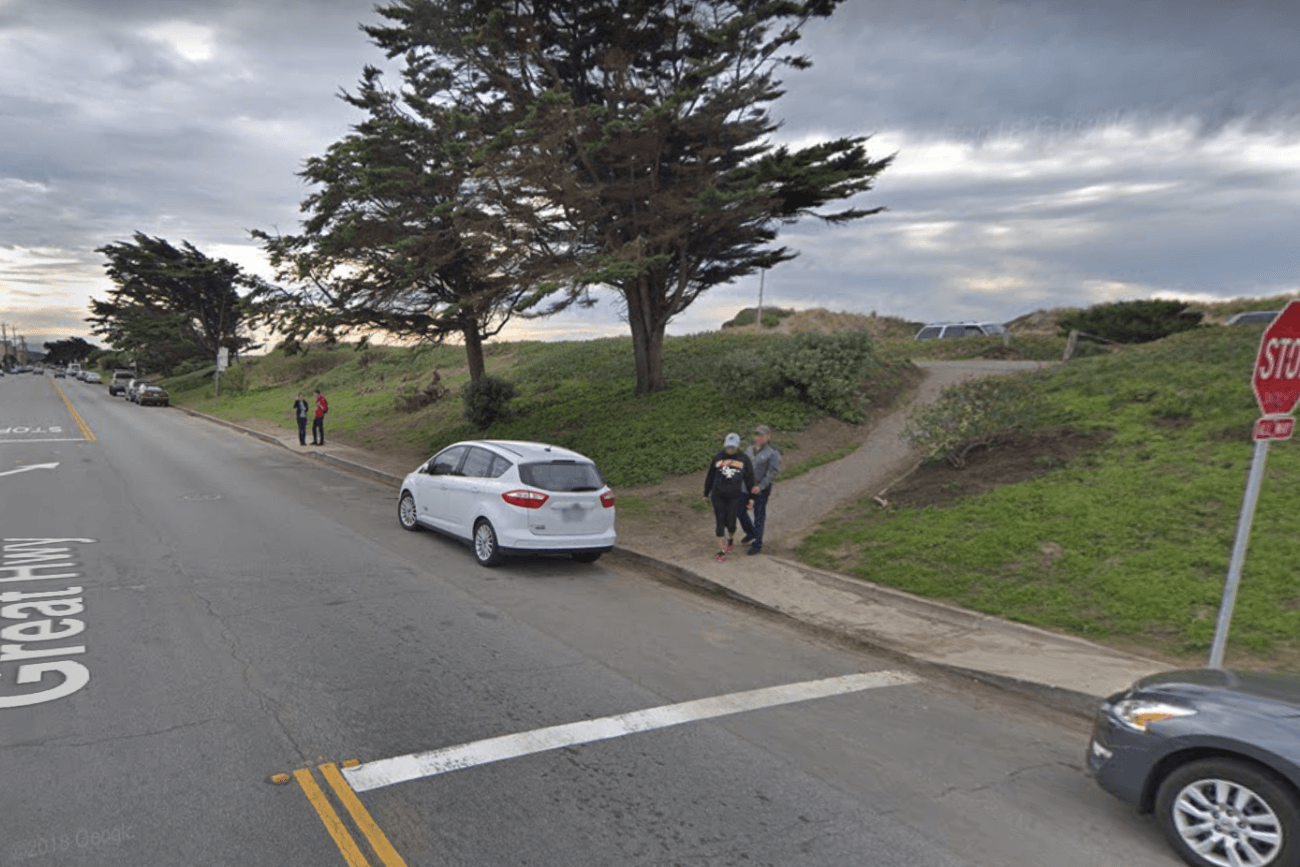
This project aims to increase pedestrian safety and comfort along Lower Great Highway by implementing pedestrian improvements and traffic calming measures.
Image
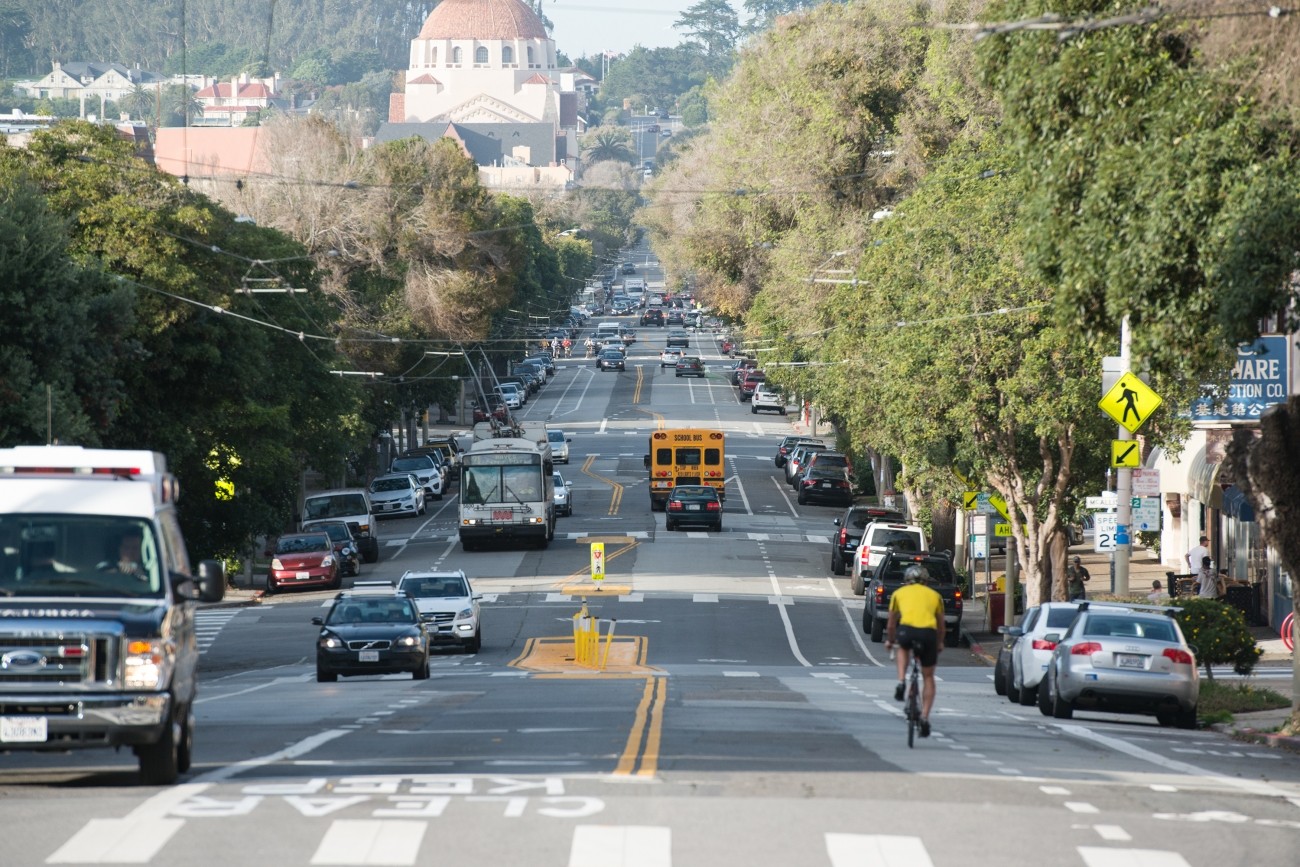
The main goal of this project is to address community concerns surrounding safety for people biking and walking along Arguello Boulevard.
Image
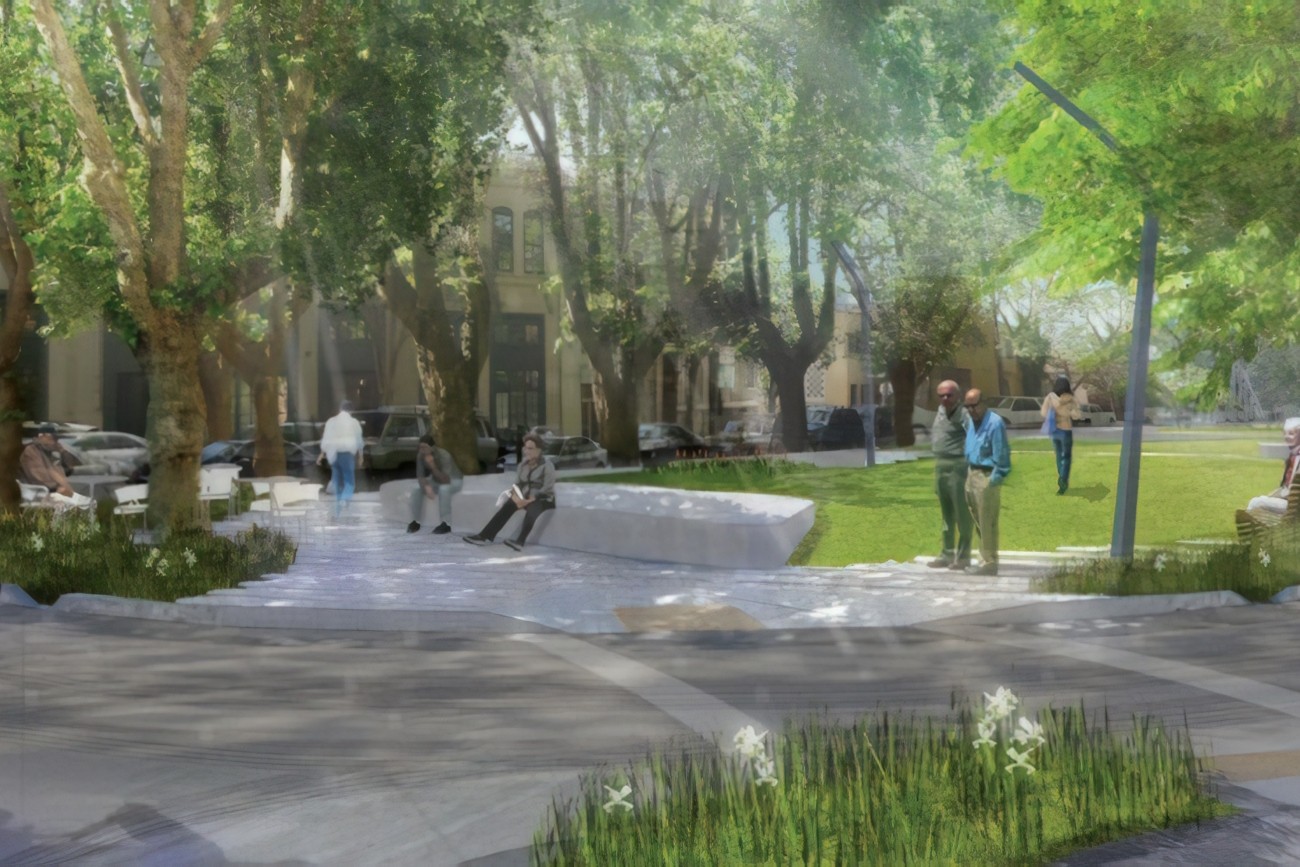
Park improvements include upgrades to the park’s infrastructure, new accessible paths, irrigation, drainage, site lighting, site furnishings, trees and landscaping, new children’s play area, large open meadow, several plazas, and traffic calming measures.
Image
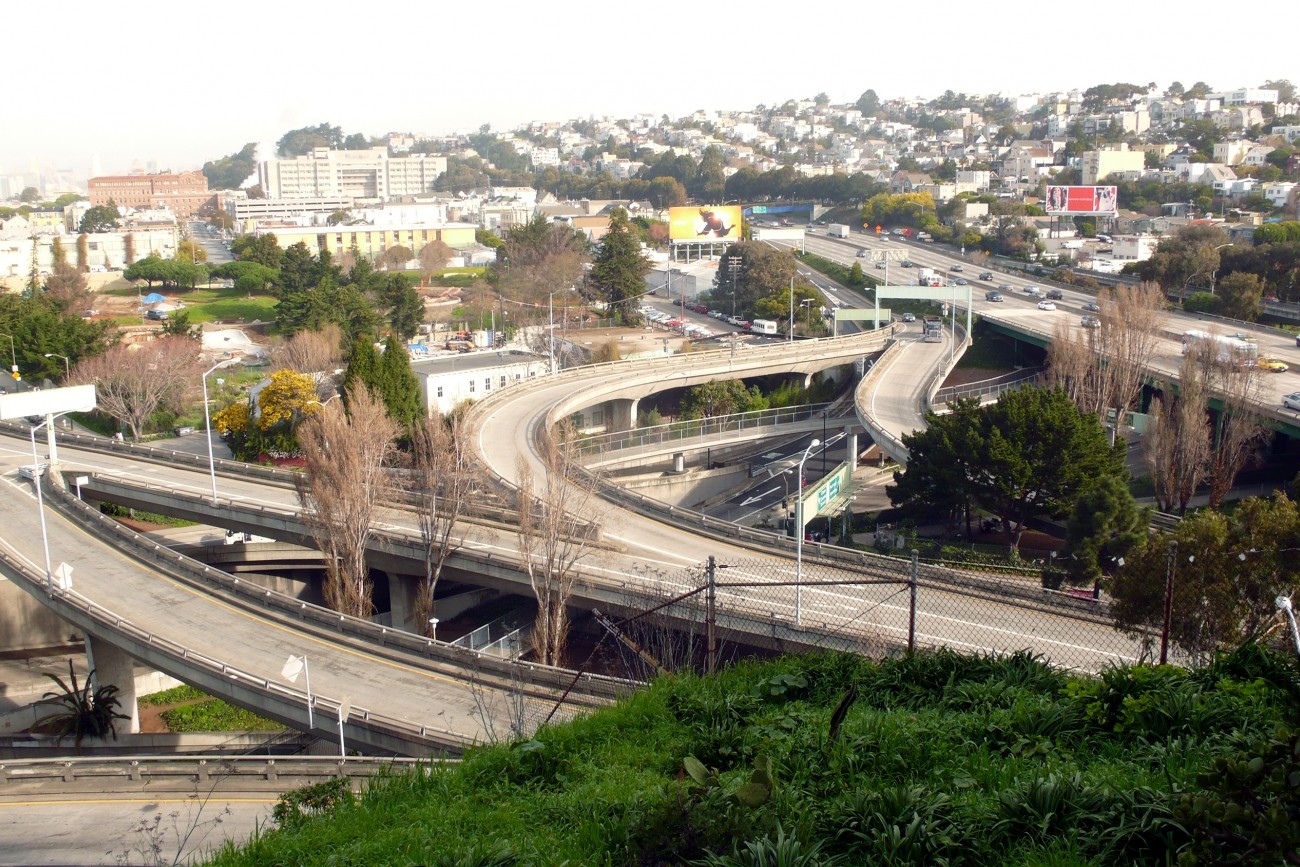
Street safety improvements are coming to “the Hairball,” a busy intersection between Potrero Hill and the Mission.