Image
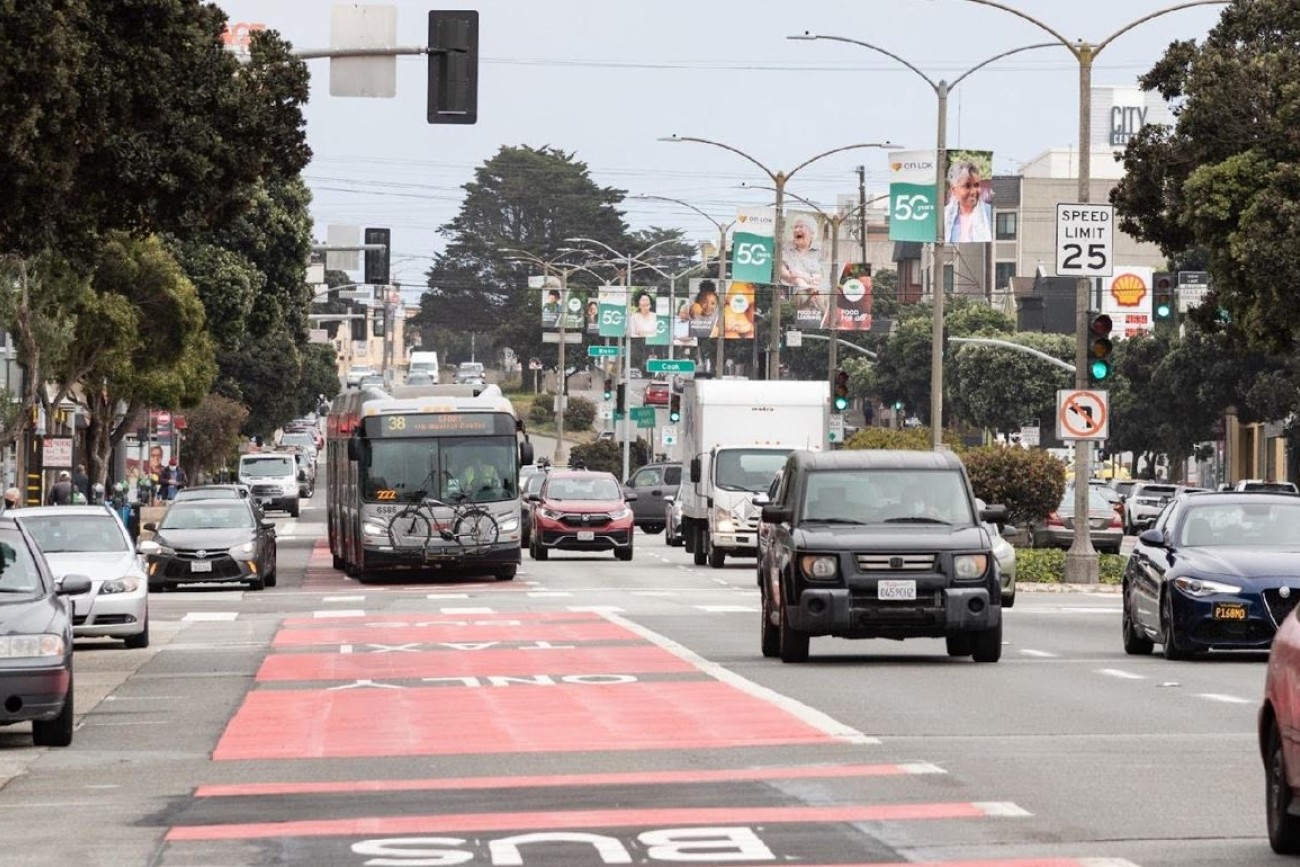
Geary Bus Rapid Transit will improve Geary Boulevard with much-needed safety improvements and faster, more reliable bus service for the tens of thousands of people who use the 38 Geary and 38R Geary Rapid bus routes every day. Project improvements include red bus-only lanes, signal priority for buses, and safety improvements such as sidewalk extensions and accessible curb ramps.
Image
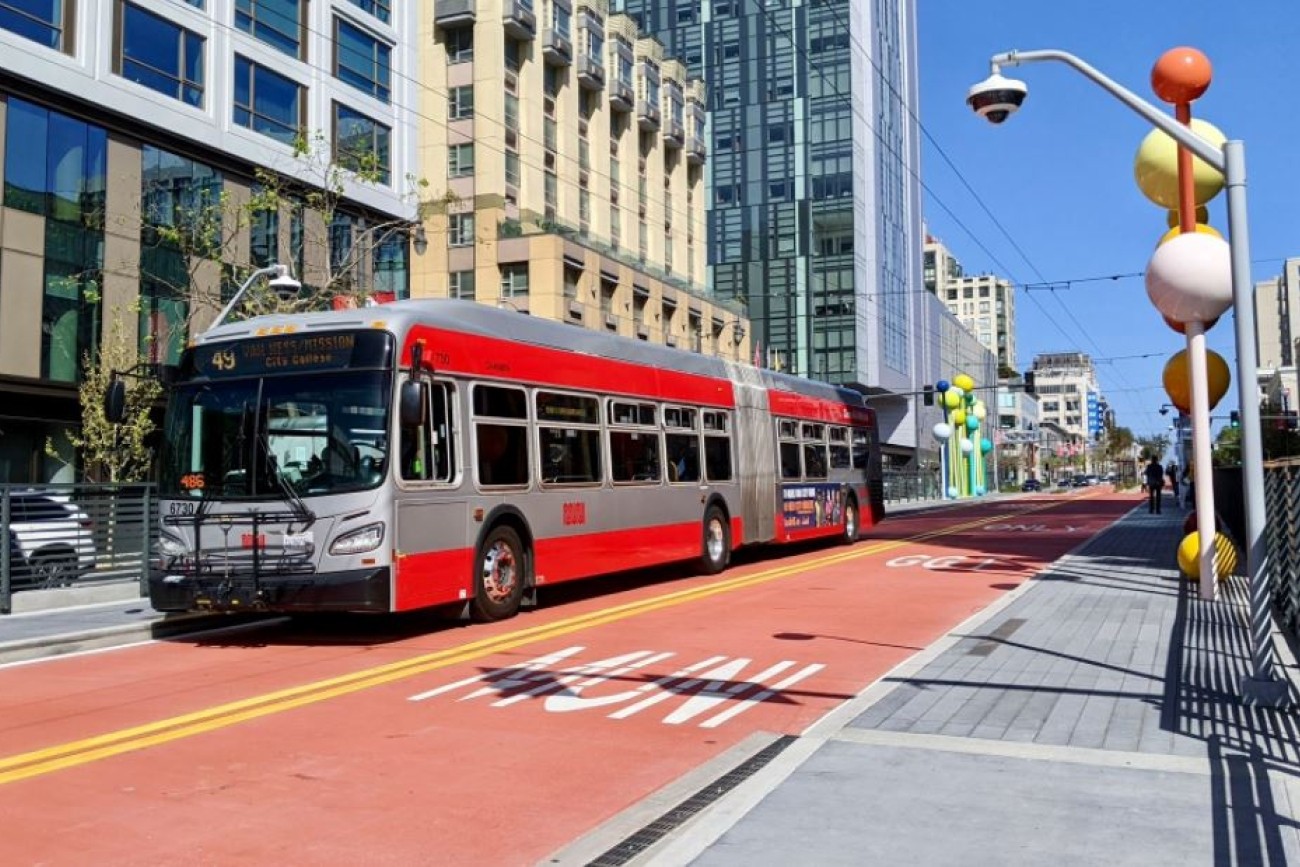
The Van Ness Improvement Project is bringing San Francisco its first Bus Rapid Transit system.
Image
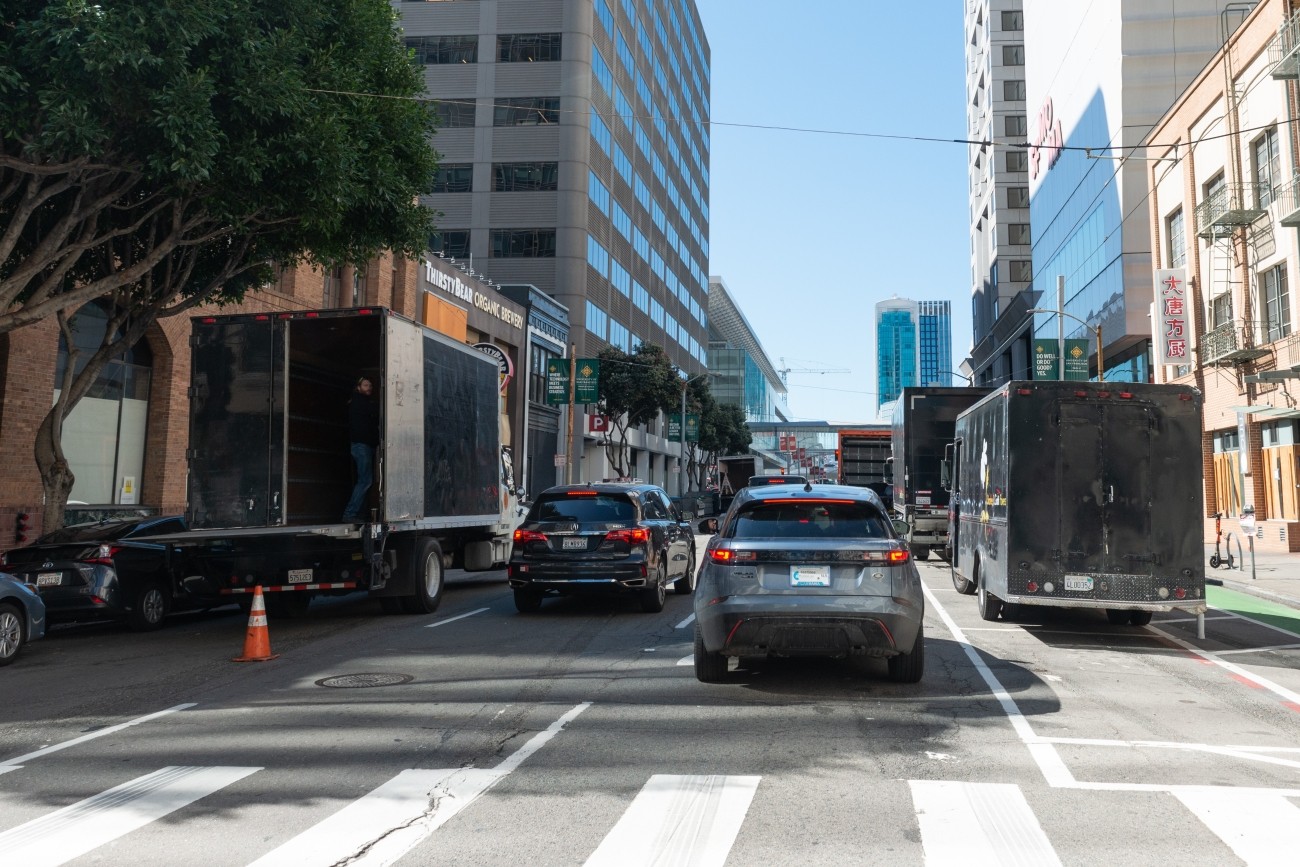
This study aims to convene a working group to identify low- and zero-emission delivery approaches in the broader downtown area.
Image
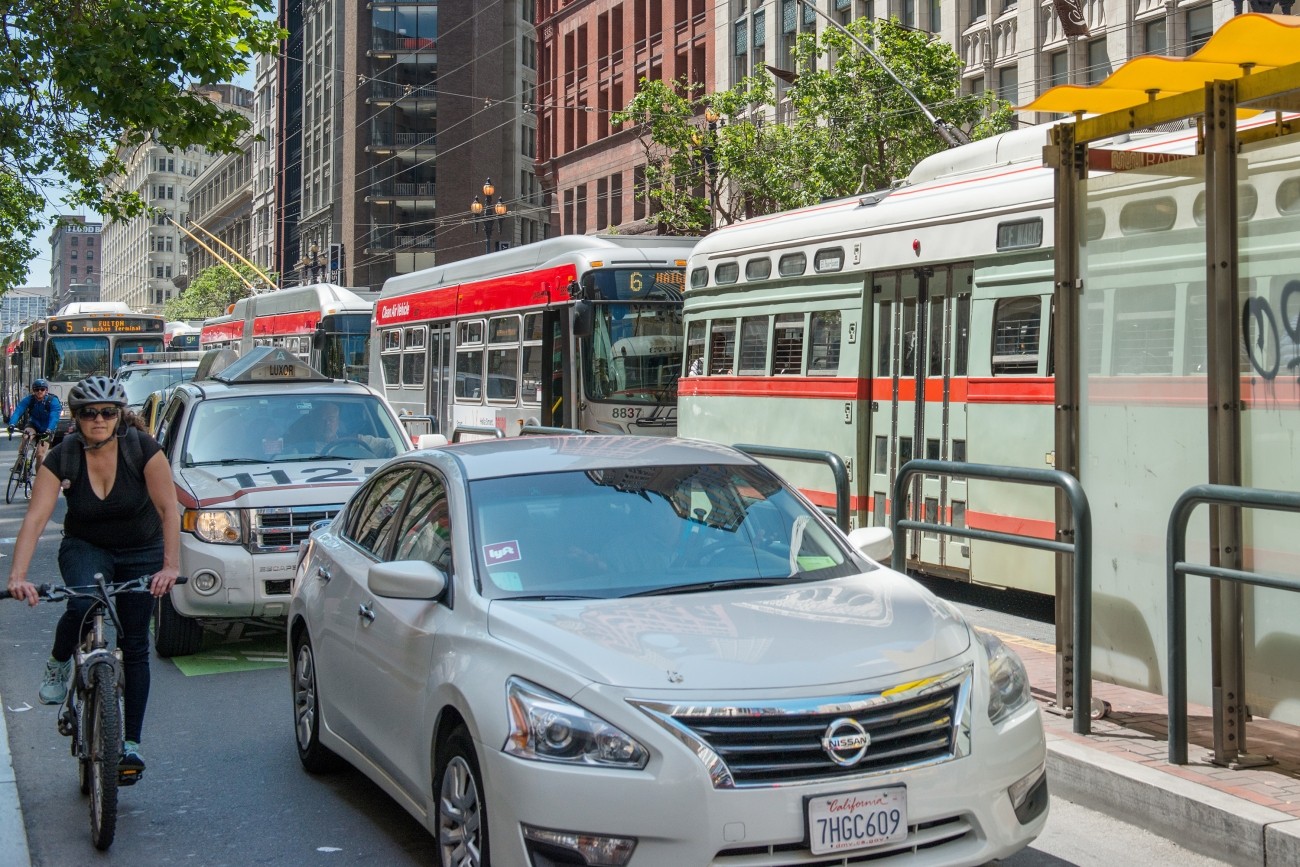
This report provides an overview of existing state and local regulatory frameworks focusing on ride-hail companies, also known as TNCs.
Image
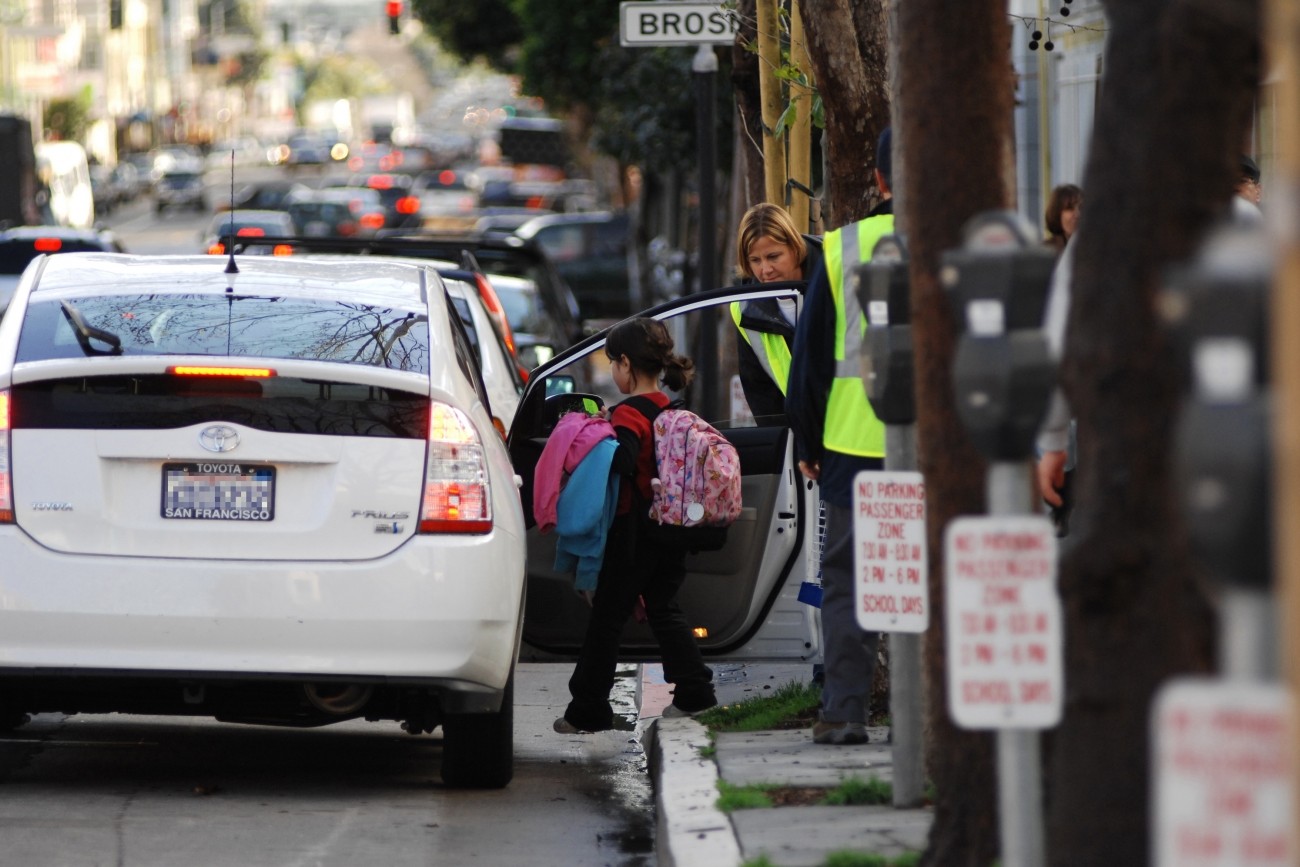
Getting children to school and aftercare in San Francisco is often challenging, particularly for households with multiple children, each of whom may be bound for different destinations.
Image
Image
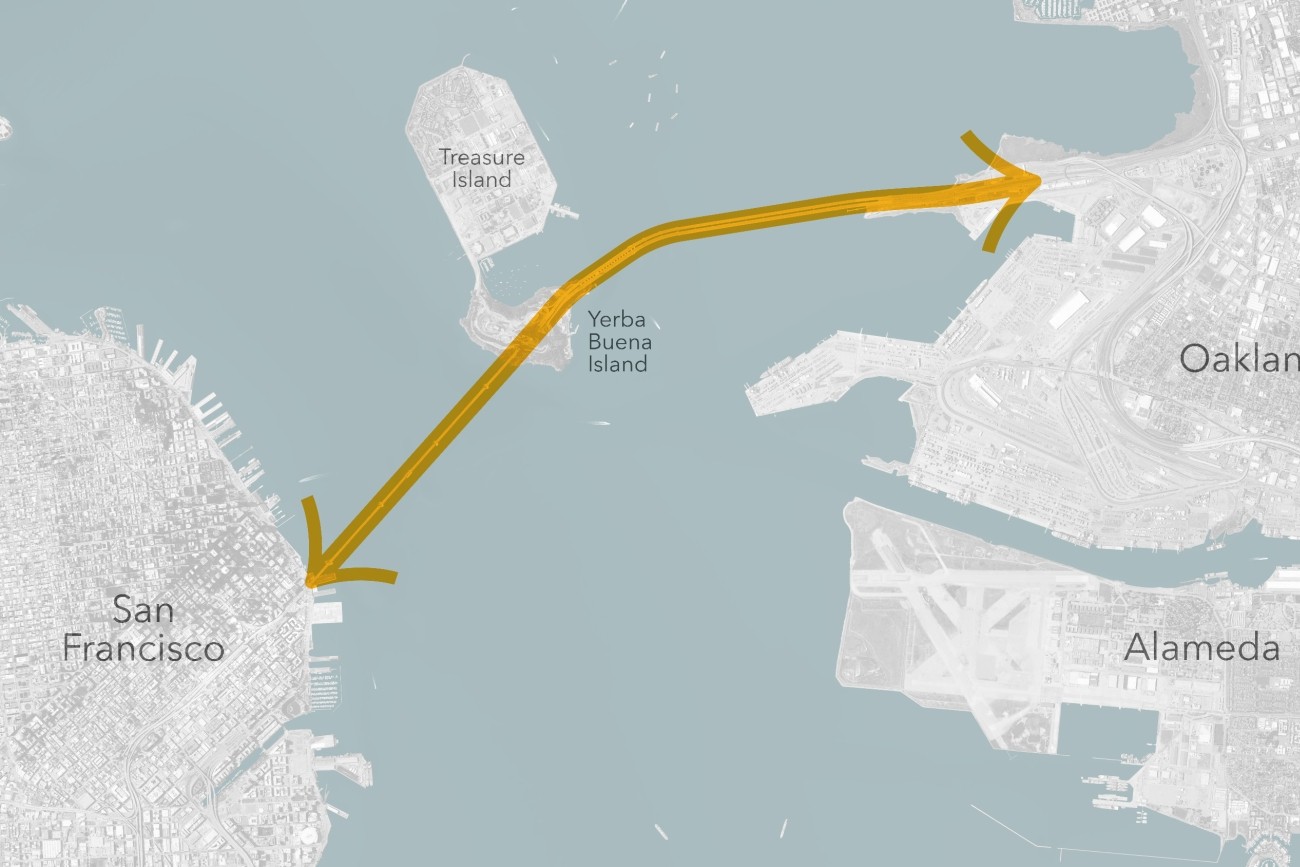
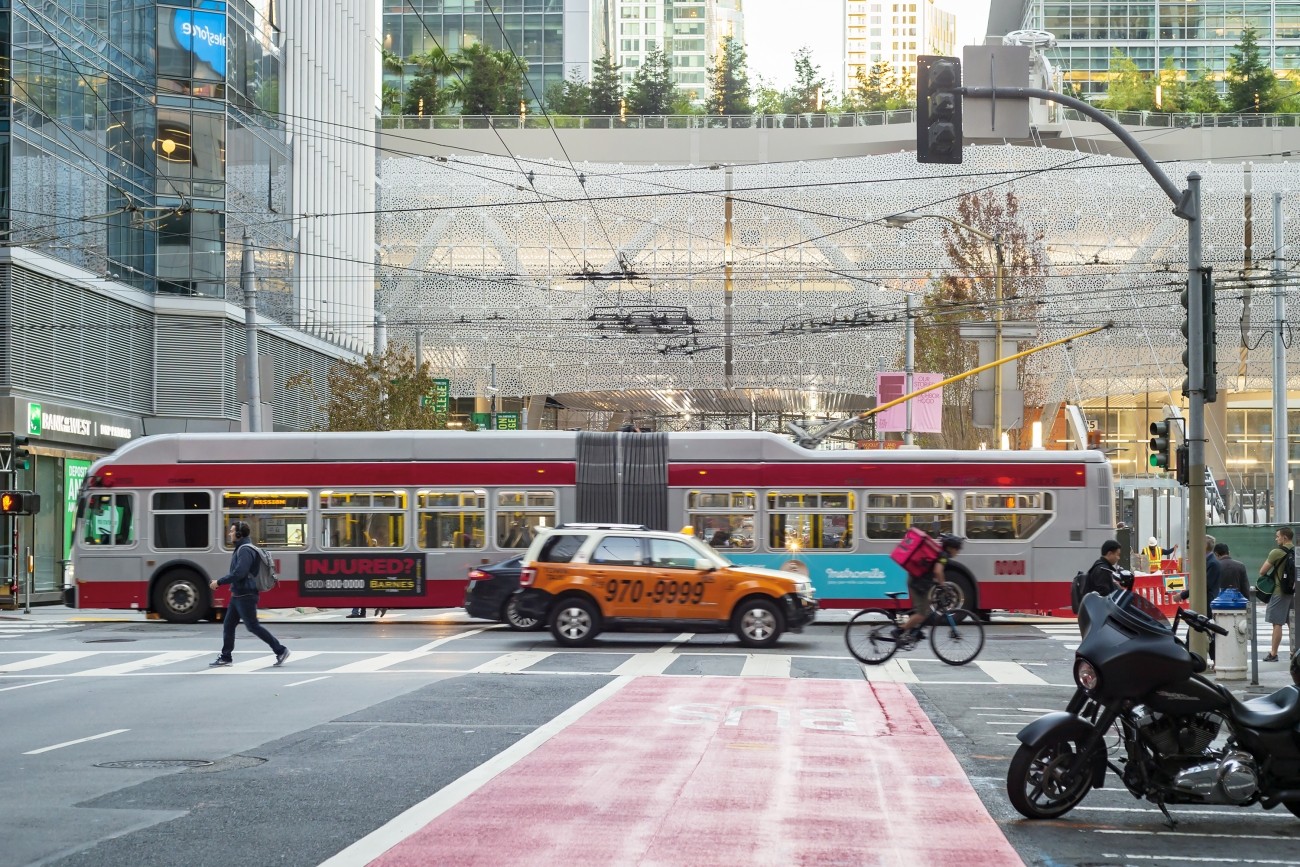
The Transbay Comprehensive Multimodal Corridor Plan Supplement presents a holistic approach for managing congestion, improving safety, and maximizing traffoc flow for all travel modes and incorporates measures to reduce air pollution and greenhouse gases.
Image
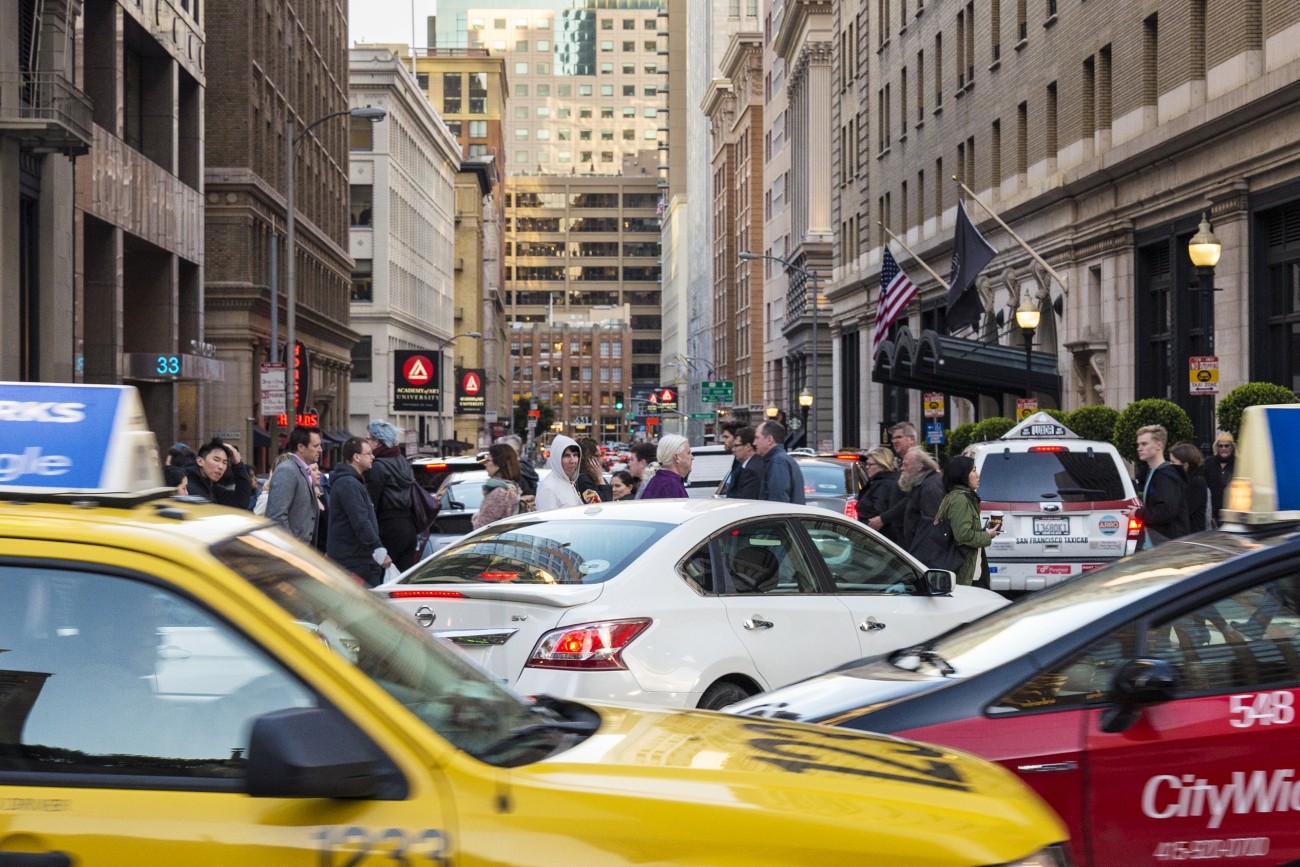
Congestion pricing would involve charging drivers a fee to drive in specific congested areas of downtown to keep traffic and transit moving.
Image
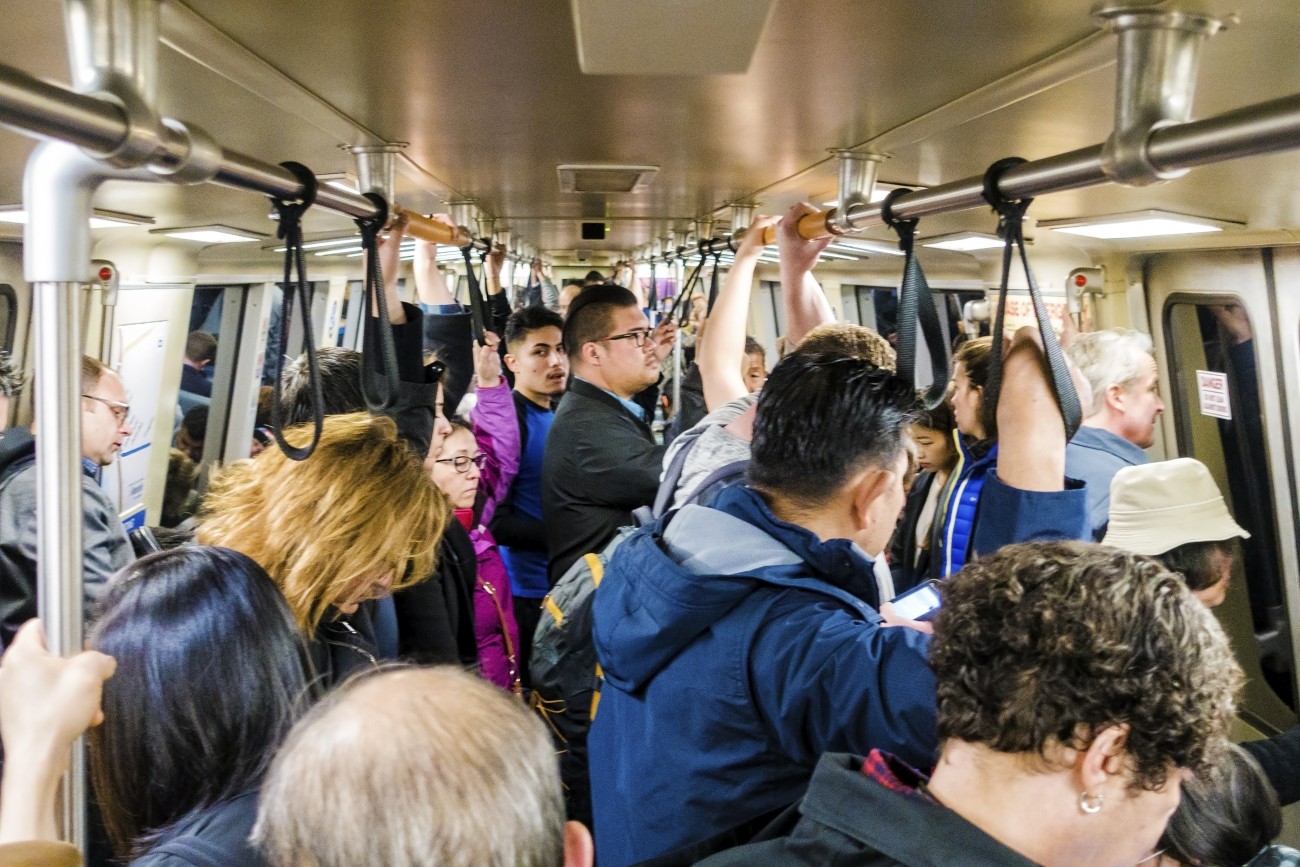
BART Perks was a six-month test program to explore new ways to reduce crowding on BART.
Image
We continue to work with the governor’s office, and state and local representatives to identify solutions to congestion in the area.
Image
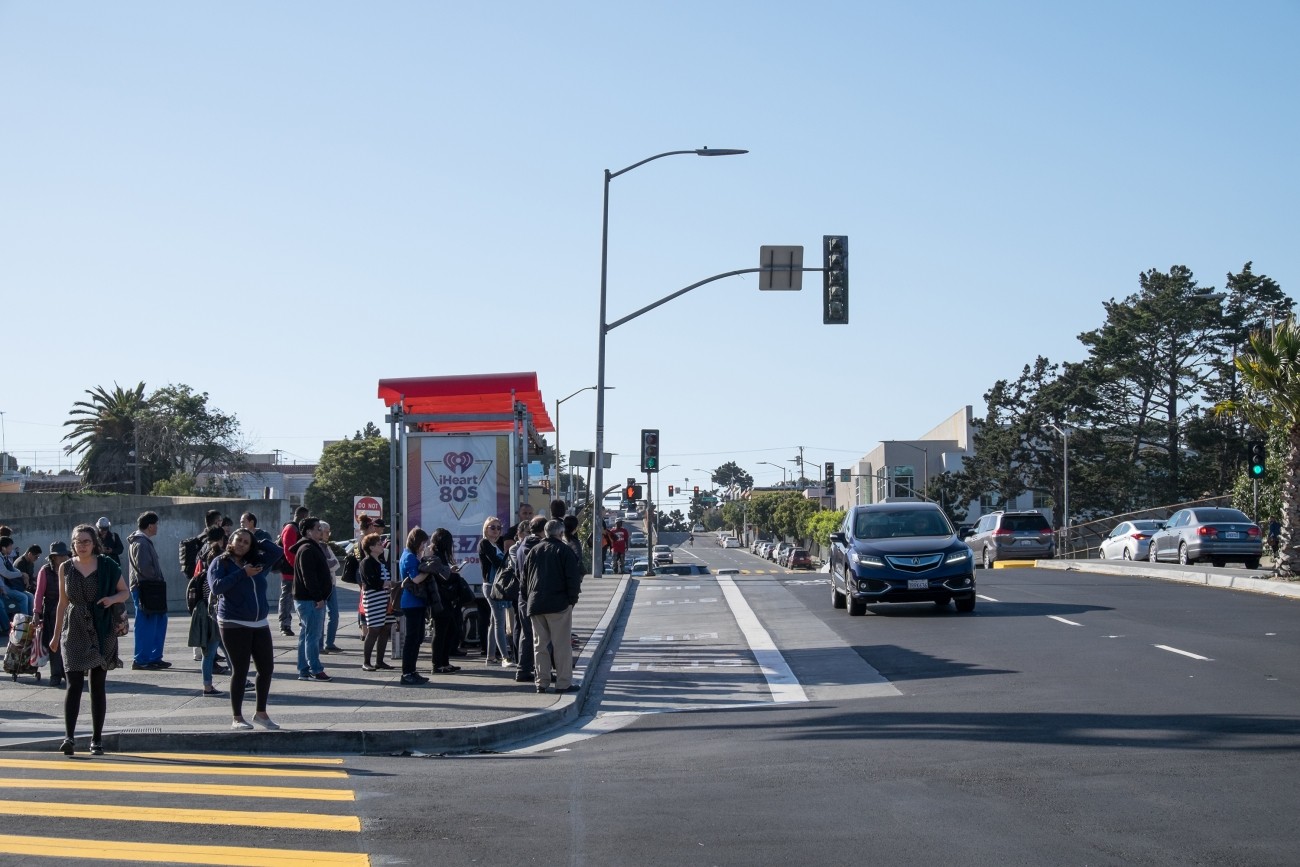
The Balboa Area Transportation Demand Management Framework process was designed to initiate collaboration between the City, City College of San Francisco, and surrounding neighborhoods in the effort to encourage sustainable transportation choices in the area.
Image
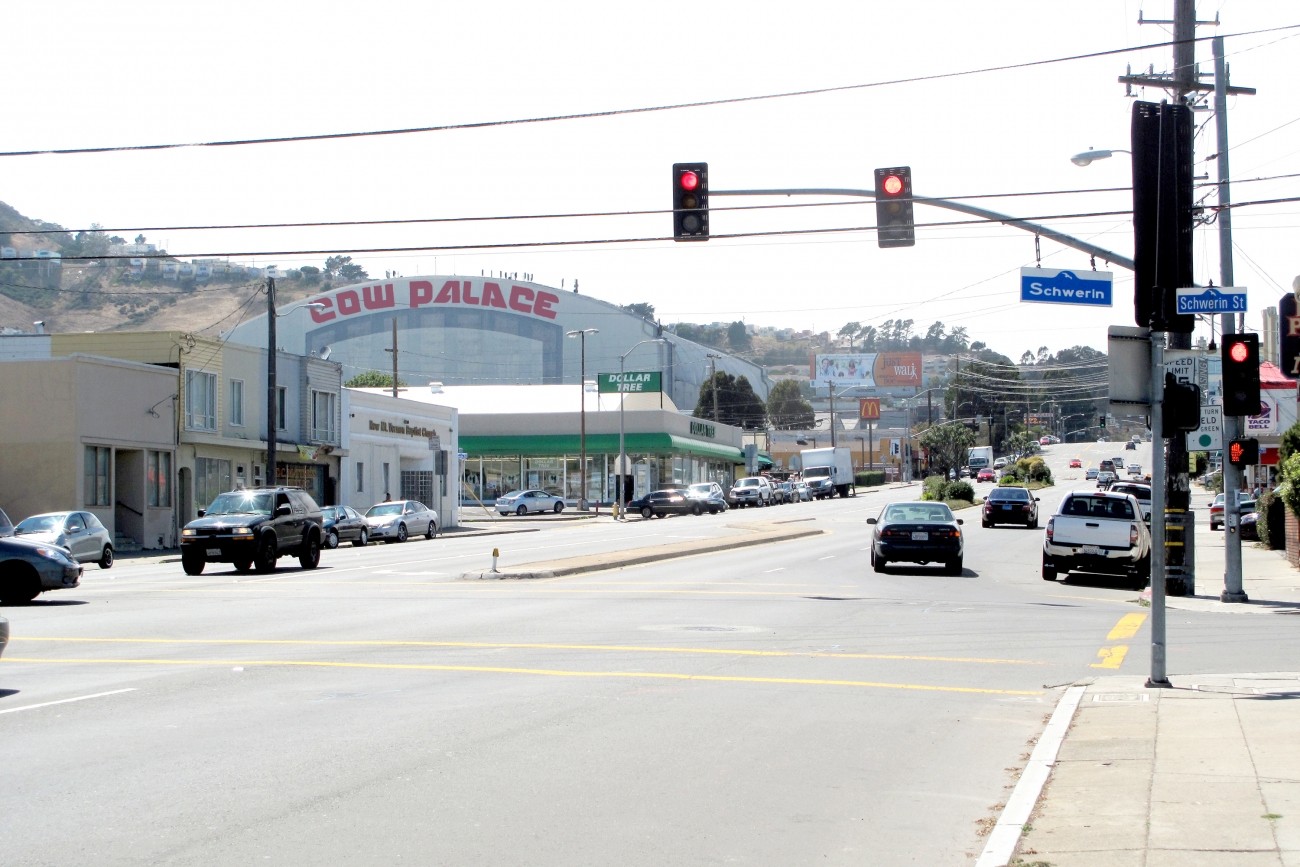
The Geneva-Harney Bus Rapid Transit line is a proposed rapid transit service that will provide existing and future neighborhoods along the San Mateo-San Francisco County border with a rapid bus connection to regional transit service.
Image
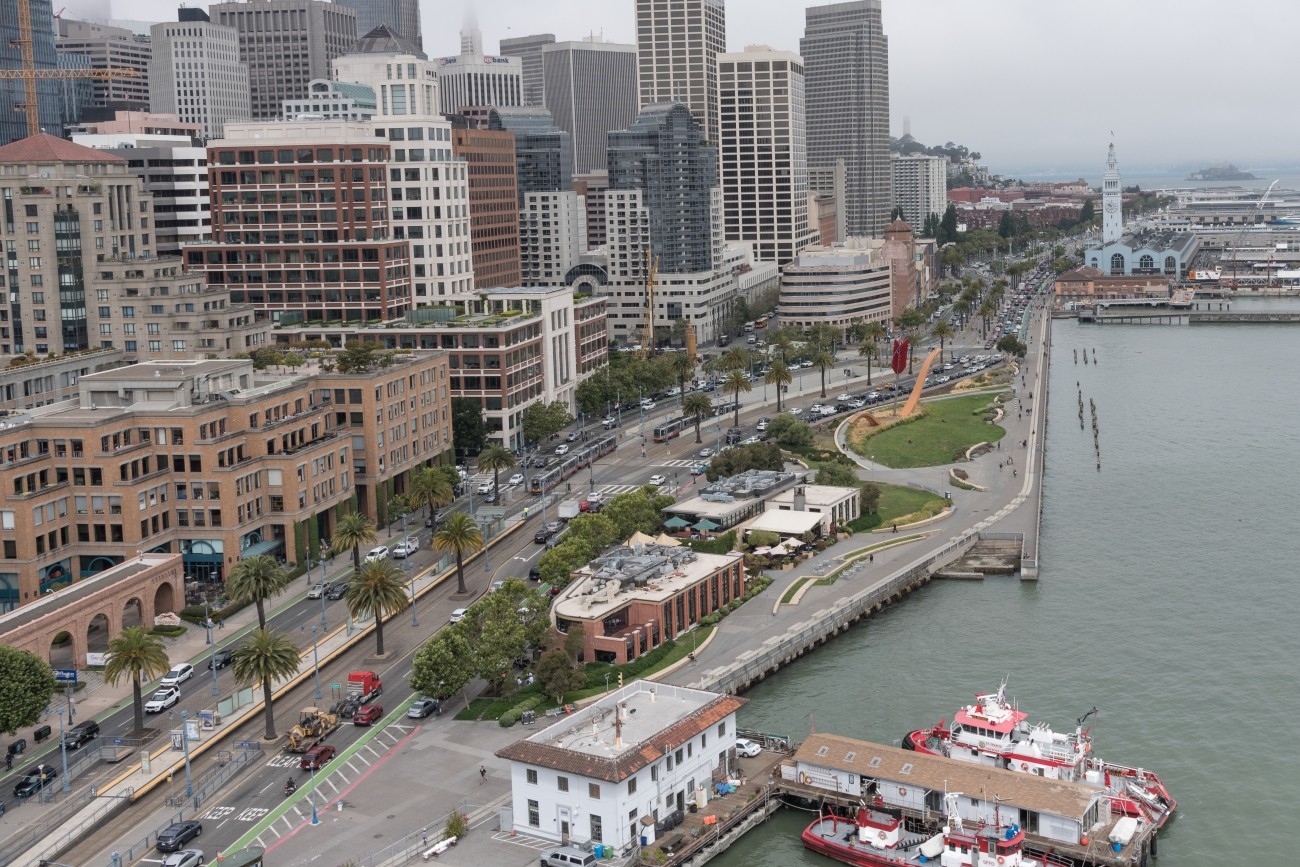
Released in 2015, the SFMTA-led Waterfront Transportation Assessment analyzed transportation investments needed order to meet the needs of our growing city.