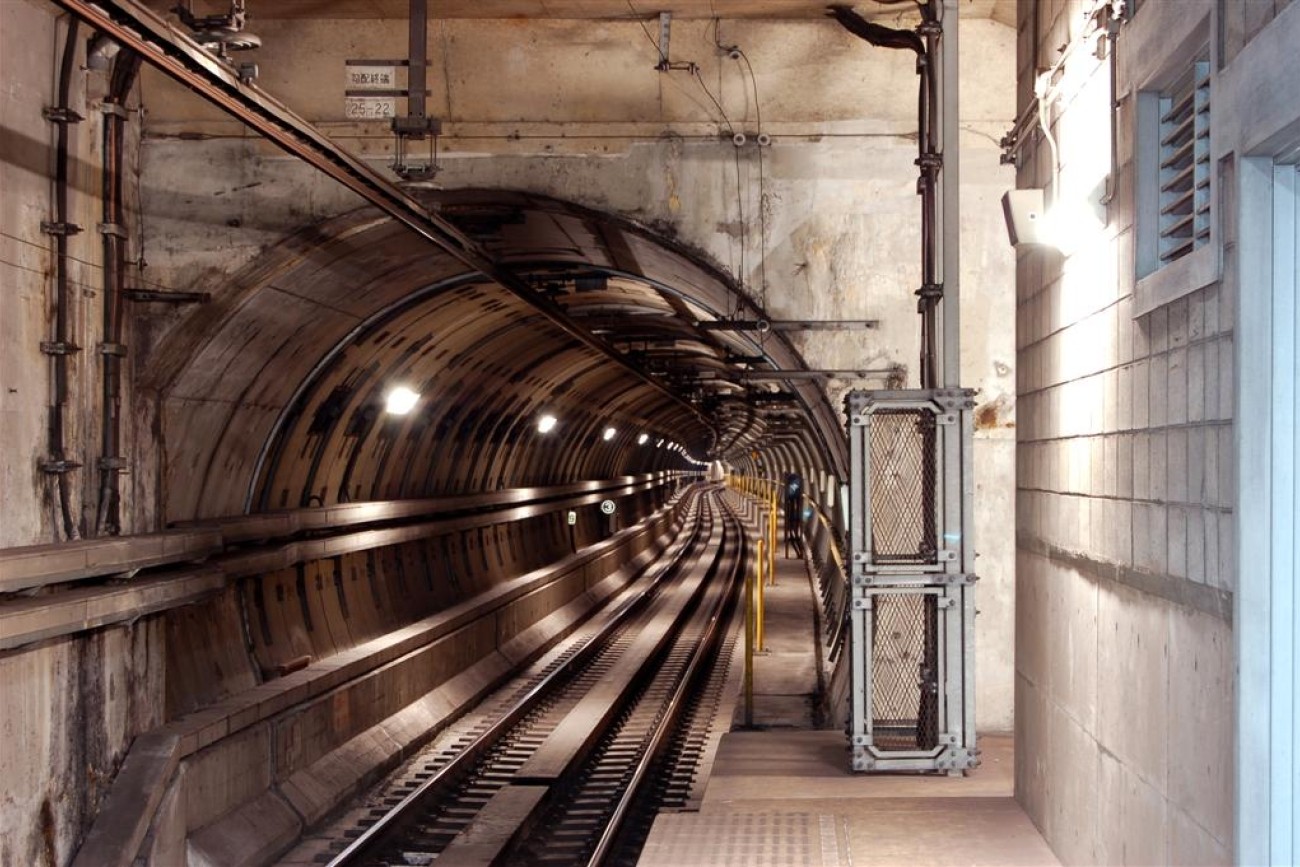
Photo by Alex Masters, flickr
Earlier this month, we hosted two virtual town halls as part of our second phase of outreach to share the latest findings from the Geary/19th Avenue Subway and Regional Connections Study. The events were held on Thursday, March 5, and Saturday, March 7. Video recordings for both meetings are available on the project page here.
The project team shared the study’s initial findings in a brief presentation, and then answered questions from attendees in a Q&A discussion session for the remainder of the event.
Presentation materials
- English presentation (PDF)
- Spanish presentation (PDF)
- Chinese presentation (PDF)
Initial Study Findings
- The case for the project is promising, and San Francisco should continue to advance planning while developing potential project funding mechanisms to support the anticipated project cost of approximately $20 to 30 billion.
- Regional connectivity is fundamental, as the project performs very strongly as an integrated part of the regional rail network with through-running trains.
- Multiple design options would deliver benefits, with various approaches to project alignment and connectivity performing similarly in overall ridership while directly serving different destinations.
- The project delivers travel time savings, greenhouse gas reductions, and equity benefits, with greater benefits accruing to residents of Equity Priority Communities.
- Existing funding sources are not enough to deliver the project, and continuing to advance this work will require a mix of new and existing funding sources, from all levels of government, with opportunities for leveraging public-private partnerships.
- A Geary/19th Avenue Subway will drive value creation in terms of land value, economic activity, mobility improvements, and reduced climate impacts; capturing a share of this value will be a critical element of the project’s funding plan.
Virtual Town Hall Discussion
The town halls were attended by over 100 participants, with attendees asking engaged questions about the project's potential to transform transit on San Francisco's west side. Below are some key questions the study team received:
- How does this project relate to Link21? Attendees were curious about the relationship between the Geary/19th Avenue Subway and the Link21 project, which is exploring a new Transbay rail crossing between San Francisco and Oakland. The Link21 program recently recommended standard-gauge regional rail technology for the new crossing, but the study team emphasized that they are keeping all technology options on the table for now to ensure the best outcome for San Francisco.
- Why does the line turn south at 19th Avenue? Several people asked whether alignments further west, such as along Sunset Boulevard, had been considered. The team explained that earlier planning work through ConnectSF did evaluate alignments as far west as Sunset, but demand for transit is not as strong west of 19th Avenue, and without a connection back to other parts of the regional rail network, it is difficult to identify a location to store and service the trains for the line. The study does consider connecting transit service to be an important piece of the success for a Geary/19th Avenue subway, and travelers west of 19th Avenue could still benefit from increased connectivity and reduced travel time.
- How will a project of this scale be funded? Questions about the $20 to $30 billion cost estimate and funding came up in both sessions. The team noted that tunneling and station construction drive the majority of costs, and that detailed funding assessments are planned for future phases of work. The Geary/19th Avenue Subway is expected to drive value creation through land value, time savings, and environmental improvements, some of which will be critical to return to the project. As such, a range of potential sources, including new state and local funding sources, plus land value capture, congestion pricing, and federal capital investment grants, will need to be explored. A strong federal partnership has historically been necessary for transit projects at this scale.
- What about lessons from the Central Subway? Participants asked how challenges from recent local transit projects are being incorporated. The team pointed to a growing regional focus on learning from past projects, both locally and globally, to improve how large transit investments are developed and delivered. The study will recommend incorporating these findings from recent projects into the planning and delivery strategy for a Geary/19th Avenue Subway.
- Will the subway replace bus service on Geary? The team clarified that the subway is intended to complement, not replace, existing bus service on Geary Boulevard. Currently, the concept is that the 38 and 38R lines would continue to serve surface-level trips, similar to how BART and Muni buses work together along the Mission Street and Central Subway corridors today.
Next Steps
The Geary/19th Avenue Subway and Regional Connections Study final report will be presented to the Transportation Authority Board in spring 2026. The Board’s consideration will include options for next steps in project concept development. The anticipated next phase of work would include deeper evaluation of technology, alignment, and station location options, and continued engagement with the community.
To get study updates, sign up to receive emails on the project page.
Related Content