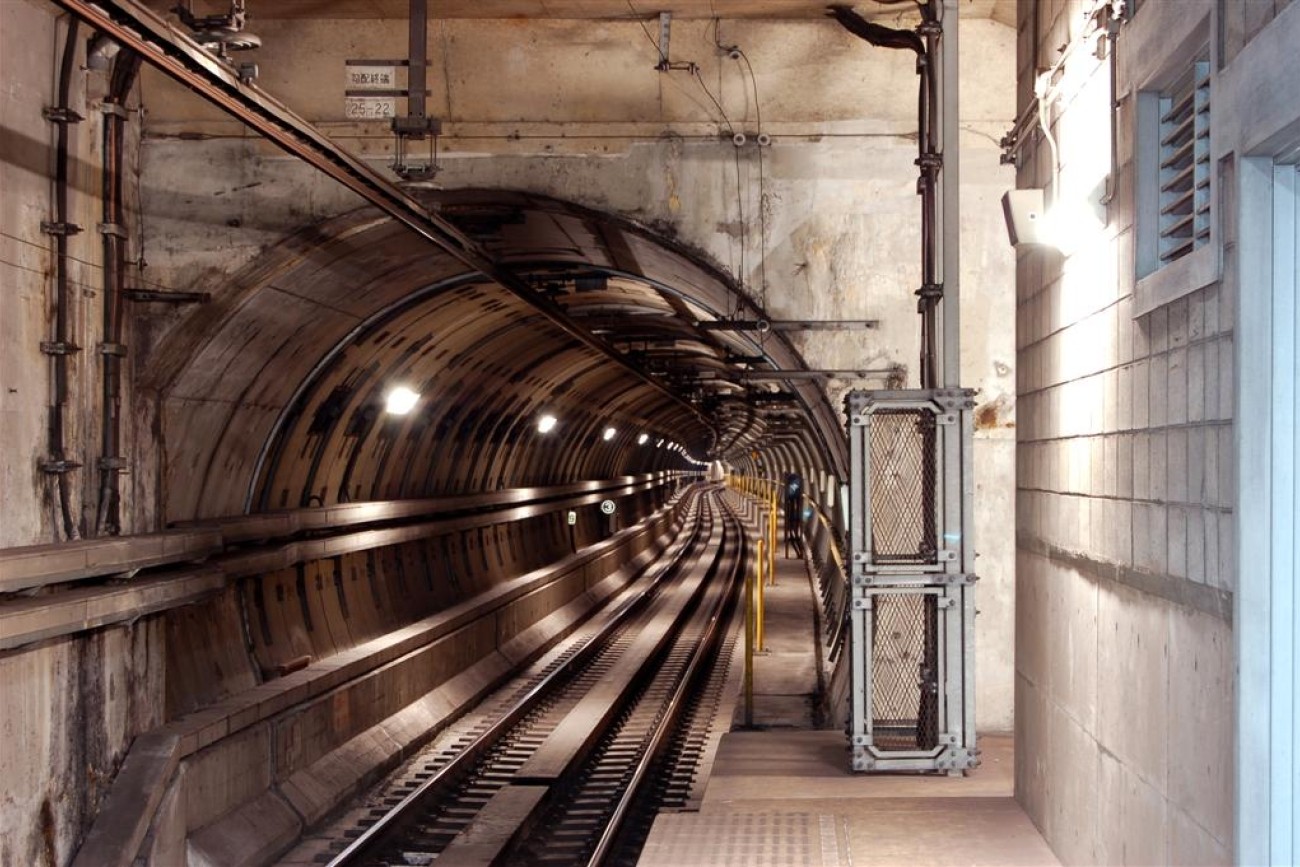
Photo by Alex Masters, flickr
The Transportation Authority Board approved the Geary/19th Avenue Subway and Regional Connections Study Final Report at the June 9 meeting. The Board gave final approval at the June 23 meeting.
The Geary/19th Avenue Subway and Regional Connections Study was requested by Transportation Authority Chair Myrna Melgar (District 7) to advance initial planning and assess the strategic case for a long-envisioned subway connecting the west side of San Francisco to Downtown and the regional rail network. The Transportation Authority led the study in partnership with the SFMTA and San Francisco Planning, and with the support of a multi-agency technical advisory committee.
The Geary/19th Ave Subway is one of five major transit expansion projects identified in the ConnectSF Transit Strategy (2021) and the San Francisco Transportation Plan 2050 (2022) to improve access and support planned growth. A rail extension to western San Francisco is also included in the State Rail Plan.
The project is envisioned as a roughly 10 mile, dual-track subway with about five to six stations, running from Downtown San Francisco west along Geary Boulevard to the Inner Richmond, then turning south below Golden Gate Park and continuing beneath 19th Avenue through the Sunset District, terminating near the Daly City BART station. With a capital cost estimated at approximately $20 to $30 billion in current-year dollars, it represents a significant long-term investment and one with potentially transformative benefits for the city, the region, and the statewide rail network.
The study was designed to refine our understanding of the project's potential performance, costs, and benefits and to identify the key strategic choices that future phases of work will need to evaluate. This initial phase did not select a preferred alternative or advance design beyond a conceptual level, steps that will come in later phases.
The study’s findings and recommendations were informed by technical analyses and two rounds of public outreach. The public’s feedback was broadly consistent: community members generally understood the need for a future subway and were interested in ways to deliver it more quickly and at lower cost, while some raised questions about construction methods and potential disruptions for residents and businesses.
The study team evaluated project performance against the project goals, finding that the subway's potential benefits include its ability to:
- Grow transit ridership: Serve 162,000 to 314,000 trips a day, including 62,000 to 106,000 net new transit trips;
- Improve travel times: Save riders 19,000 to 45,000 hours a day, about 5 to 7 minutes per trip, and cut crowding on transit by 15 to 30%;
- Increase job access: Give the average San Francisco worker access to up to 47,000 more jobs within 45 minutes by transit, and the average Bay Area worker up to 10,000 more employment opportunities;
- Expand regional access: Put 138,000 to 156,000 more households and 382,000 to 404,000 more jobs within walking distance of transit;
- Support housing: Place 41,000 to 50,000 new housing units within walking distance of rapid transit;
- Cut driving and pollution: Reduce vehicle miles traveled in San Francisco by 4 to 7%, lowering greenhouse gas emissions by 23,000 to over 35,000 tons a year; and
- Deliver equity benefits: Increase 45-minute job access for the average Equity Priority Community resident by 60% more than the citywide average (76,000 jobs vs 47,000).
Initial key findings:
- The case for the Geary/19th Ave Subway is promising: The subway is integral to the future of the local, regional, and statewide rail system, and San Francisco should keep advancing planning and project development.
- Regional connectivity expands and broadens benefits: The subway performs well within San Francisco and much better as part of the regional rail network. Through-running of trains beyond the city (to the East Bay and Peninsula) extends benefits to riders across the Bay Area and beyond.
- Multiple design options can provide improvements: Routing choices at both ends and the Geary-to-19th connection perform similarly overall, so future technical work and stakeholder engagement will shape the final routes and station locations.
- The Geary/19th Ave Subway delivers travel time savings, environmental improvements, and equity benefits: Compared with a future without the project, the subway improves travel time, environmental quality, and equity, with benefits accruing at a higher rate to residents of Equity Priority Communities.
- Project development and delivery will require significant new funding sources: The project should perform well under federal and state funding criteria, but will need support from all levels of government and new, project-specific funding sources.
- A Geary/19th Ave Subway will drive value creation: The project creates value through land use, economic activity, better travel and time savings, and reduced climate impacts. Capturing a share of that value will be central to the funding plan and help secure regional and state funds.
The Geary/19th Avenue Subway and Regional Connections Study is the first step in a multi-year process by which a major transit investment is planned, environmentally cleared, designed, constructed, and eventually opened for service, a process that typically takes at least 15 to 20 years.
The study identifies an initial set of prioritized tasks for a next phase of planning, including work to consider regional integration, technology evaluation, station and facility sizing, capital cost refinement, phasing options, and funding strategy development, as well as continued engagement with the public. There are $1.5 million in Prop L transportation sales tax funds programmed for this work, and the Transportation Authority plans to seek additional grant funding to supplement these local funds.
View the Geary/19th Avenue Subway and Regional Connections Study Final Report (PDF)
Related Content