Transportation Program Overview
By 2042, the Treasure Island neighborhood will grow by up to 8,000 homes—many offered at below-market rates—housing more than 20,000 new residents. Along with more housing, this new development includes extensive open space, hotels, restaurants, shops, and entertainment venues.
This new activity will result in tens of thousands of additional trips to and from the island each day. The Treasure Island Mobility Management Agency, or TIMMA, is developing a comprehensive transportation program that will meet the current and future needs of residents, workers and visitors to ensure a vibrant community.
Learn more about TIMMA and Treasure Island.
Transportation Program Goals
The Treasure Island Transportation Program is guided by two performance goals: that at least 50% of trips are made by walking, biking, and taking transit, and that the program be financially self-sufficient. We can achieve this by:
Promoting walking and biking: Bike lanes, pedestrian paths, and Bay Wheels bike sharing will make biking and walking around the island safe and enjoyable.
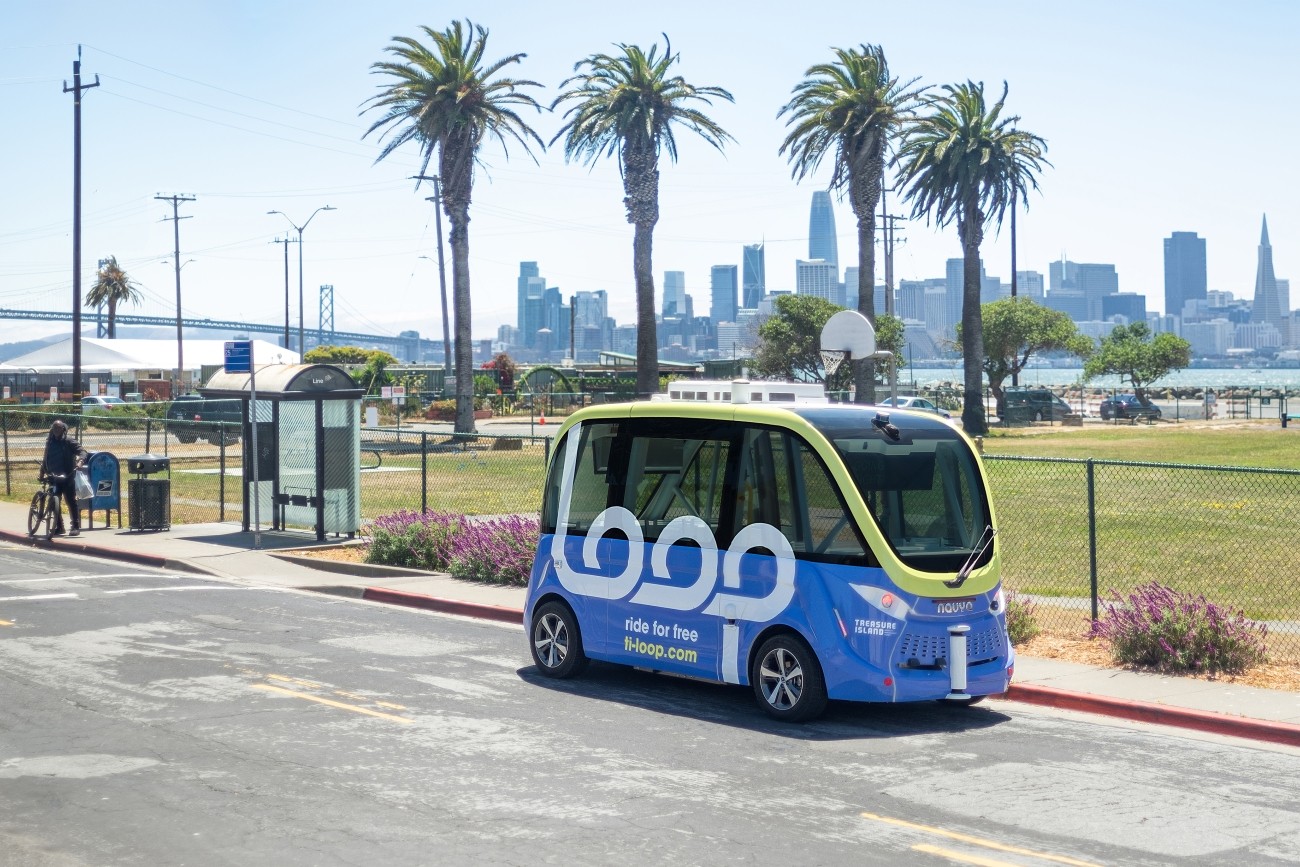
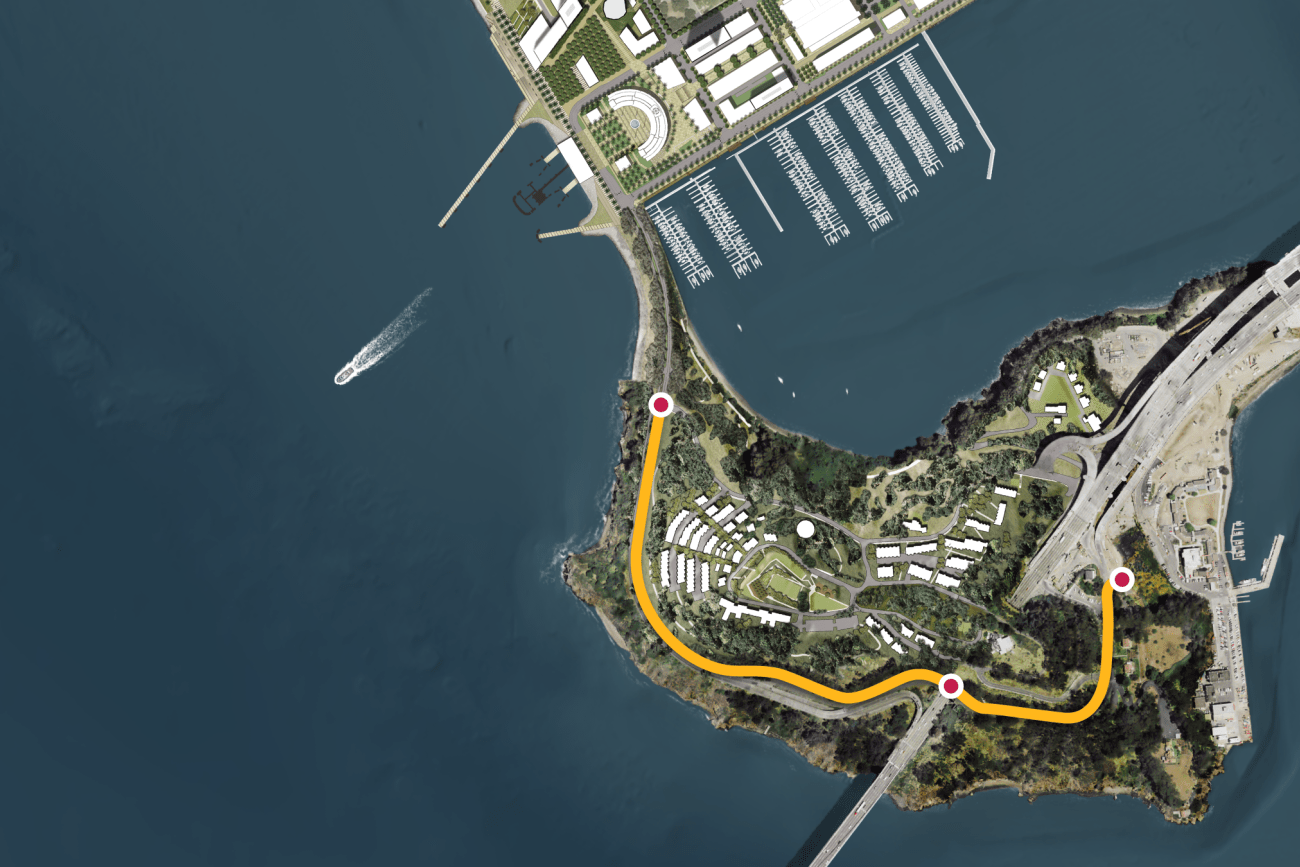
Providing high-quality transit: More Muni service, along with new AC Transit, ferry service, and an on-island shuttle will help ensure that at least 50 percent of trips to and from the island are made using sustainable modes.
Reducing the need for car ownership and use: People who drive will pay a toll for driving on and off of the island. The cost of housing will not include parking, so people who own cars will pay for parking separately. Access to car share vehicles will make it easier to live without owning a personal vehicle on the island.
Promoting affordability: Subsidized transit passes and discounts to services like car and bike share will make transit affordable and accessible to longtime residents and people living in below market-rate housing.
Achieving financial sustainability: The transportation program should be financially self-sustaining when 4,500 of the 8,000 housing units have been occupied.
Related programs